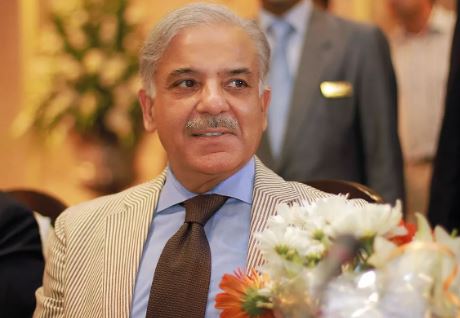
Beijing: Prime Minister Shehbaz Sharif, speaking at the second Pakistan-China Business-to-Business Investment Conference in the Chinese capital, portrayed the Pakistan-China relationship as a model of mutual confidence, respect, and long-term partnership. He emphasized that the friendship is not transactional—but transformational.
Describing China as a true and time-tested friend, the Prime Minister praised Beijing’s unwavering support during Pakistan’s most challenging moments. “China has never turned its back on us—in crisis or calm,” he remarked, drawing applause from the business leaders and diplomats in attendance.
He recounted a pivotal moment in bilateral relations: Chinese President Xi Jinping’s 2015 visit to Islamabad, which formally launched the China-Pakistan Economic Corridor (CPEC). Since then, CPEC has brought in over $35 billion in Chinese investment, reshaping Pakistan’s energy landscape and revitalizing key sectors like industry and agriculture.
But for Shehbaz Sharif, this is just the beginning.
“The second phase of CPEC is not merely a continuation—it’s a transformation,” he said. “We’re ready to harness China’s technological advancements to modernize our agriculture, scale up our IT sector, embrace artificial intelligence, and unlock our mineral wealth.”
He extended a direct invitation to Chinese companies to explore investment opportunities in Pakistan’s Special Economic Zones (SEZs), which he described as “launchpads for joint prosperity,” offering competitive labor costs, infrastructure access, and investor-friendly policies.
On the sensitive issue of security, the Prime Minister was unequivocal: “The safety of Chinese nationals and investors in Pakistan is non-negotiable. Their protection is our top priority, and no effort will be spared to ensure it.”
He lauded China’s rapid rise to global economic prominence, calling it a “blueprint for developing nations” and praised its integration of technology, planning, and discipline. “China is more than a partner—it is a mirror showing us what’s possible when vision meets execution,” he noted.
Closing his remarks, Prime Minister Shehbaz called the conference a milestone in his leadership journey. “This gathering isn’t just about business deals—it’s about building trust, creating opportunity, and charting a future where both nations rise together.”