International

Iran says strait of Hormuz back under “strict control” as US naval blockade continues

Tehran (Web Desk/Agencies): Iran’s Islamic Revolutionary Guard Corps (IRGC) stated on Saturday that the Strait of Hormuz is still “under strict control and remains in its earlier status” until the United States ensures what it called complete freedom of navigation for Iranian vessels traveling to and from their destinations.

The statement, reported by Iranian state media IRIB and cited by Al Jazeera, accused Washington of engaging in “maritime aggression and seizure of ships” under the guise of enforcement measures. The IRGC further claimed that Iranian military forces are now fully overseeing security in the strategic waterway.

In a separate development, Iranian authorities announced the breakup of several alleged intelligence networks said to be operating on behalf of the United States, Israel, and the United Kingdom.

According to Fars News Agency, these groups were reportedly involved in intelligence gathering, covert coordination, and efforts to incite internal unrest.

The IRGC said the operations were conducted across East Azerbaijan, Kerman, and Mazandaran provinces. Reports indicate that more than 120 individuals were detained, including suspects allegedly involved in sharing sensitive geographical information. Arrests included seven individuals in East Azerbaijan, 69 in Mazandaran, and 51 in Kerman, among them members of three suspected spy cells.

Meanwhile, a convoy of oil and gas tankers resumed movement through the Strait of Hormuz on Saturday, marking the first notable maritime activity since tensions escalated between the United States, Israel, and Iran several weeks ago. Vessel tracking data showed multiple ships navigating near Larak Island, with additional tankers approaching from the Gulf region.

Former US President Donald Trump indicated “positive signals” regarding Iran but did not disclose further details. He suggested negotiations were ongoing but warned that military options remain on the table if a longer-term agreement is not reached before the ceasefire deadline. He reiterated that preventing Iran from acquiring nuclear weapons remains a key US priority.

In response, Iranian Parliament Speaker Mohammad Bagher Qalibaf dismissed Trump’s remarks as inaccurate, stating they would not affect Iran’s negotiating position. He also warned that the Strait of Hormuz could be closed again if US pressure continues.

While Iran has permitted limited commercial shipping under the temporary truce, authorities have reportedly instructed vessels to coordinate with the IRGC before entering the waterway, with ships linked to the US and Israel still restricted. Shipping firms remain cautious due to security concerns, including the risk of naval mines, while the US Navy has also advised caution in the region.

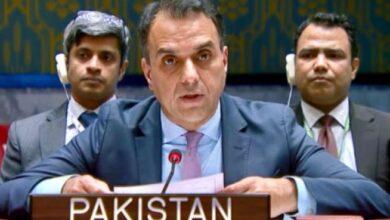
Diplomatic efforts are ongoing, with Pakistan reportedly playing a mediating role. Field Marshal Asim Munir has held talks in Tehran, although no clear progress has emerged regarding potential negotiations in Islamabad.

Despite some signals of possible dialogue, major differences persist over Iran’s nuclear program, with the US demanding limits on enrichment and Iran insisting its activities are peaceful and rejecting any transfer of uranium abroad. Uncertainty continues as the ceasefire deadline approaches.

Related Articles

Leave a Reply

Your email address will not be published. Required fields are marked *

Back to top button