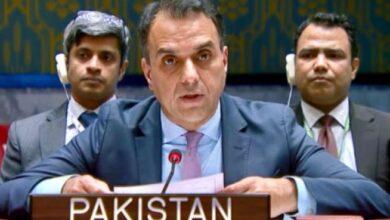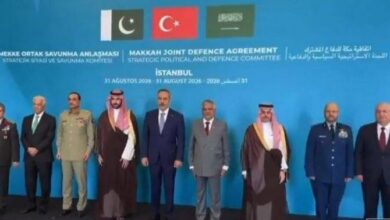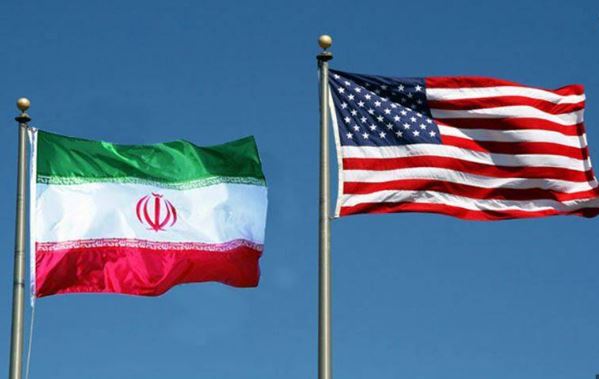
Washington : According to sources, delegations from the United States and Iran are expected to revisit Pakistan later this week for another round of discussions.
The possibility comes after an earlier high-level meeting between the two sides in Islamabad ended without any formal breakthrough.
Earlier reports had suggested that Pakistan proposed hosting a follow-up session of the “Islamabad Talks” before the current ceasefire deadline of April 21. However, officials say the plan is still under consideration and will depend on mutual agreement between Washington and Tehran regarding the venue.
Two unnamed Pakistani officials told the Associated Press that the initiative is not a one-time effort but part of an ongoing diplomatic engagement process. They added that the final decision on the next round has not yet been made.
The first round of US–Iran dialogue, held in Islamabad with Pakistan’s facilitation, involved senior-level delegations and lasted nearly 21 hours of closed-door negotiations aimed at reducing escalating regional tensions.
Although the discussions were lengthy and detailed, no agreement was reached. US Vice President JD Vance, who headed the American delegation, confirmed that while progress was discussed, the talks did not result in a deal.
Pakistani officials, however, viewed the engagement as an important step toward establishing structured communication between the two sides.
International media reports indicate that diplomatic contacts have continued beyond the Islamabad meeting, with a potential second round being discussed, possibly within days, and Geneva also emerging as an alternative location.
A US representative described the process as ongoing and gradually advancing, while JD Vance noted in an interview that meaningful progress had been made, though further movement depends on Iran’s response.
The Islamabad initiative is being described as a rare case of third-party facilitated direct dialogue, with Pakistan acting as a mediator to maintain communication between the two rivals.
Sources familiar with the matter said the discussions focused on ceasefire terms, regional security issues, and broader political disagreements.
The conflict, which reportedly began on February 28 following US–Israeli strikes on Iranian targets, has resulted in heavy losses and increased regional instability. Iran responded with counteractions, including disruption of shipping in the Strait of Hormuz and strikes on US- and Israeli-linked assets.
A ceasefire announced on April 8, with Pakistan’s mediation, has temporarily halted fighting, although core disagreements remain unresolved.
Washington has proposed a 15-point plan covering nuclear restrictions, sanctions relief, and maritime security, while Tehran has submitted a 10-point proposal calling for broader sanction removal and control over key waterways.
Observers internationally have praised Pakistan’s facilitation role, noting that continued engagement may be vital in preventing renewed escalation.