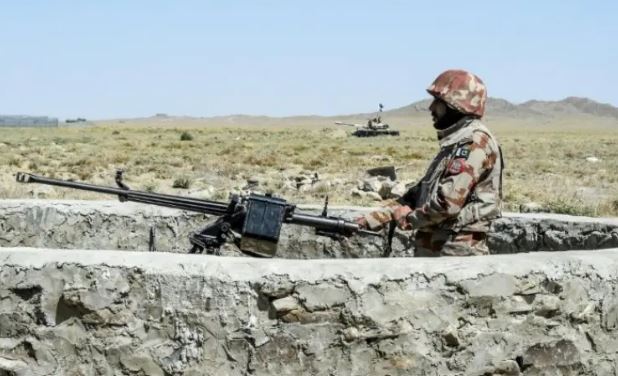
Rawalpindi : In a sudden escalation of tensions, Afghan forces launched unprovoked gunfire across the Pakistan-Afghanistan border on Saturday, prompting an immediate and strong response from the Pakistan Army.
According to military sources, the Afghan forces targeted multiple locations along the border, including areas such as Angoor Adda, Bajaur, Kurram, Dir, Chitral, and Baram Chah in Balochistan. The unprovoked assault occurred without any prior warning, further intensifying the already volatile situation in the region.
Sources indicated that the primary objective behind this attack was likely to push insurgent groups across the border into Pakistan, further destabilizing the area. However, Pakistan’s military forces, on high alert, quickly neutralized the threat, launching a coordinated counteroffensive.
The Pakistan Army’s retaliation targeted several Afghan border posts, resulting in considerable damage. Multiple Afghan military installations were destroyed, and a significant number of Afghan soldiers and militants were reportedly killed during the exchange of fire. Taliban forces, under pressure, abandoned their positions and fled, leaving behind the bodies of the fallen attackers.
This flare-up occurs at a time when Afghan Foreign Minister Amir Khan Muttaqi is on an official visit to India. Pakistan’s Ministry of Foreign Affairs condemned his remarks made during the visit, especially those relating to terrorism, and expressed concern over Afghanistan’s failure to fulfill its obligations to maintain regional peace.
The situation on the border remains tense, with both nations on high alert.