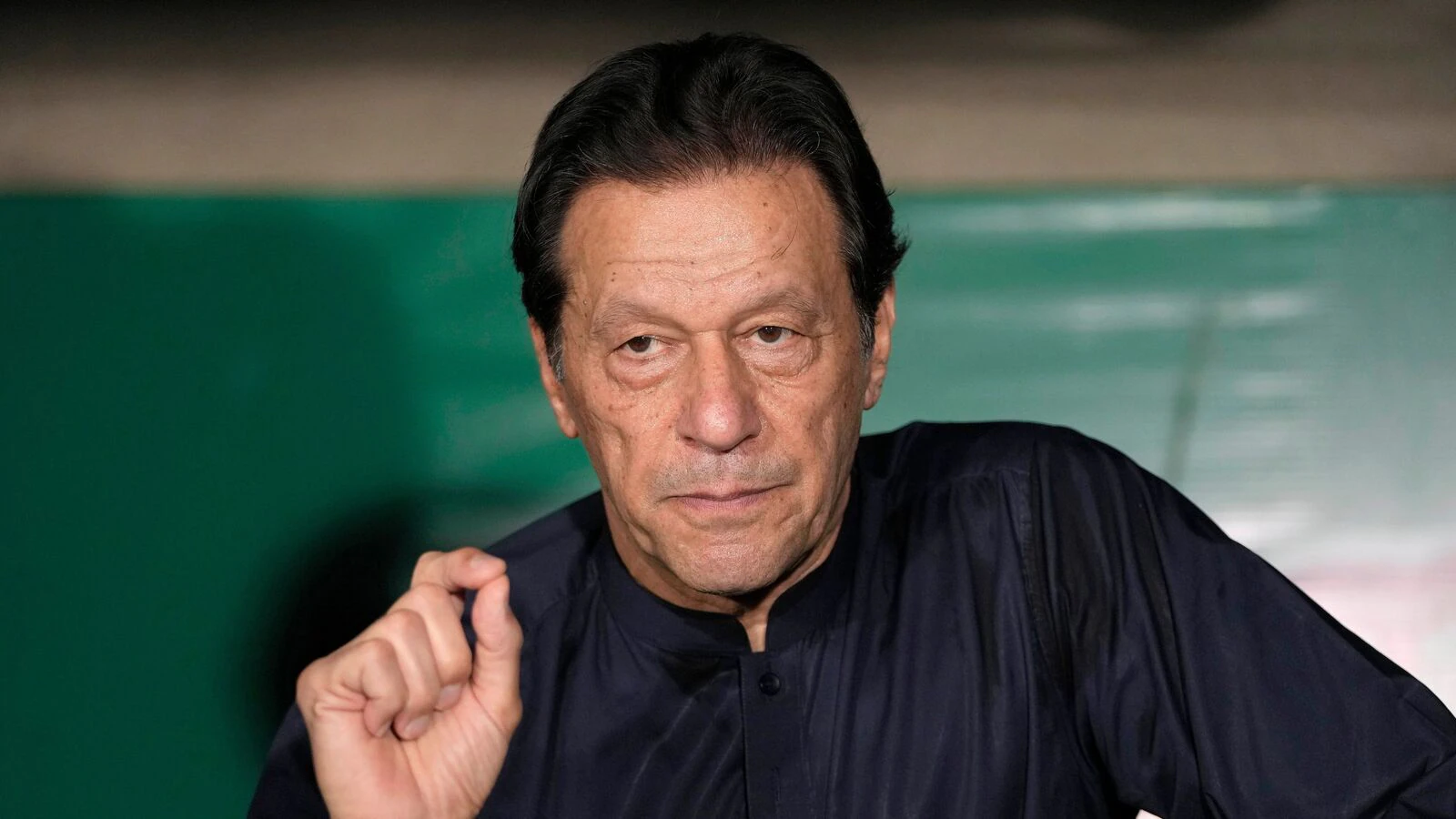
ISLAMABAD: An anti-terrorism court (ATC) judge has ruled that PTI Chairman Imran Khan’s refusal to undergo forensic procedures, including a polygraph test, could weaken his legal position in the ongoing May 9 trials.
In a detailed written order, ATC-I Judge Manzer Ali Gill stated that the prosecution’s case leans heavily on digital evidence expected to be a central feature of the upcoming proceedings.
The order followed the court’s decision to deny the prosecution’s plea for additional time to conduct forensic testing on Mr Khan.
The judge expressed concern that the former prime minister’s refusal to participate in lie detector and photogrammetric (facial and voice) analysis tests may have been a calculated attempt to avoid confrontation with digital evidence presented by the prosecution.
“This refusal of the accused may go against him,” Judge Gill wrote in the order.
Imran Khan reportedly declined the tests on two occasions when law enforcement officers visited Adiala Jail, where he is detained under separate charges.
He not only submitted a written refusal but also did not meet with the investigating officer (IO) during the visits.
Legal Complications Due to Detention
The court acknowledged that in typical cases, the IO retains custody of the accused during physical remand and investigations.
However, Imran Khan’s detention under different charges made this case “unique,” since the IO never had direct custody of the accused.
Judge Gill questioned how an investigation can be completed under such constraints.
He clarified that the forensic tests could not be carried out without direct physical access to the accused.
Therefore, the court rejected the request for an extension in time for testing.
Court’s Direction and Implications
Despite rejecting the plea, the judge instructed the IO to proceed with all other available legal means to finalize the investigation.
He also noted that Mr Khan is likely to challenge the digital evidence during trial by arguing it wasn’t independently verified.
Legal analysts suggest that while the refusal doesn’t constitute guilt, it could affect the court’s perception of the defense’s credibility.
The case, related to events on May 9 involving violent protests and attacks on military installations, is being closely watched.
Any perception of obstruction or non-cooperation may impact future proceedings and the overall legal strategy of Imran Khan’s defense team.