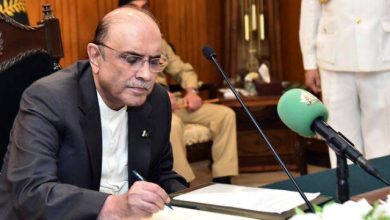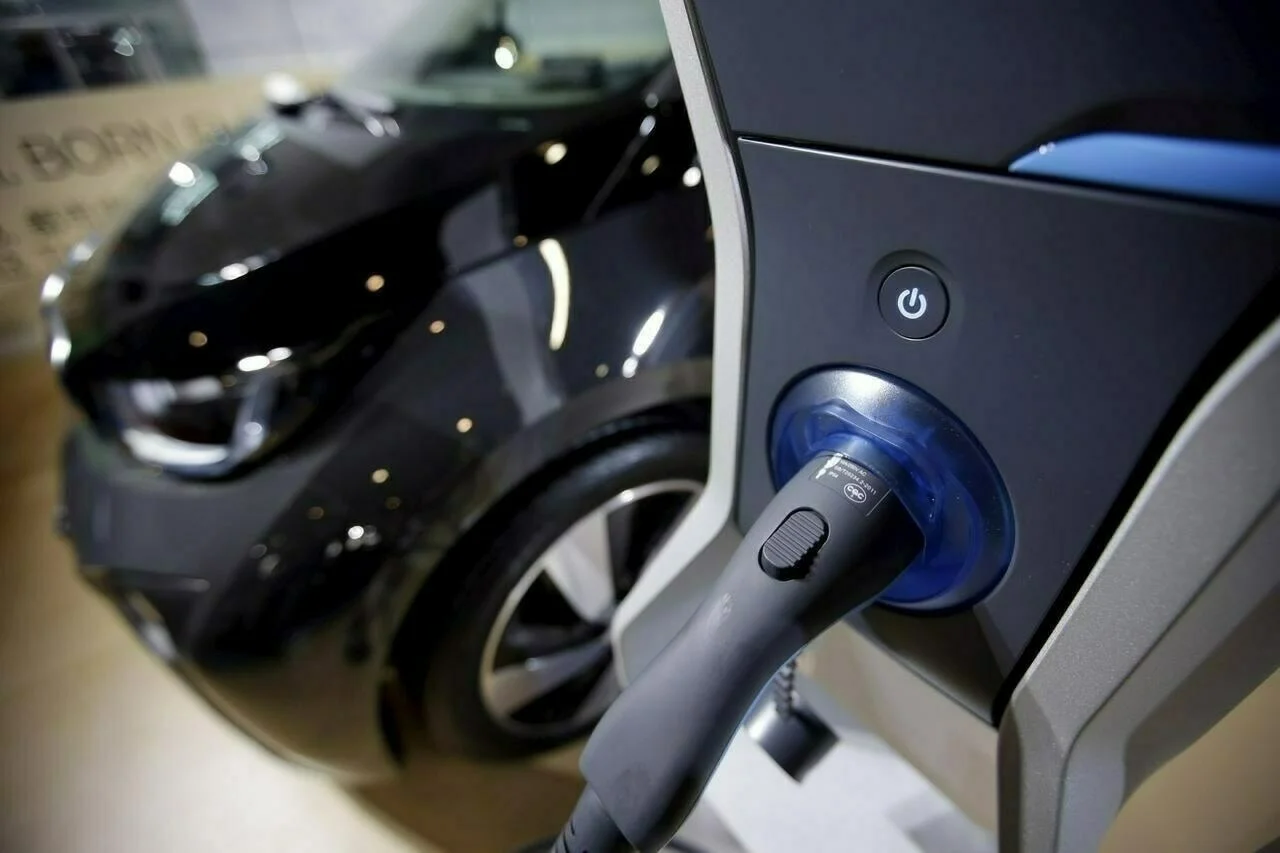
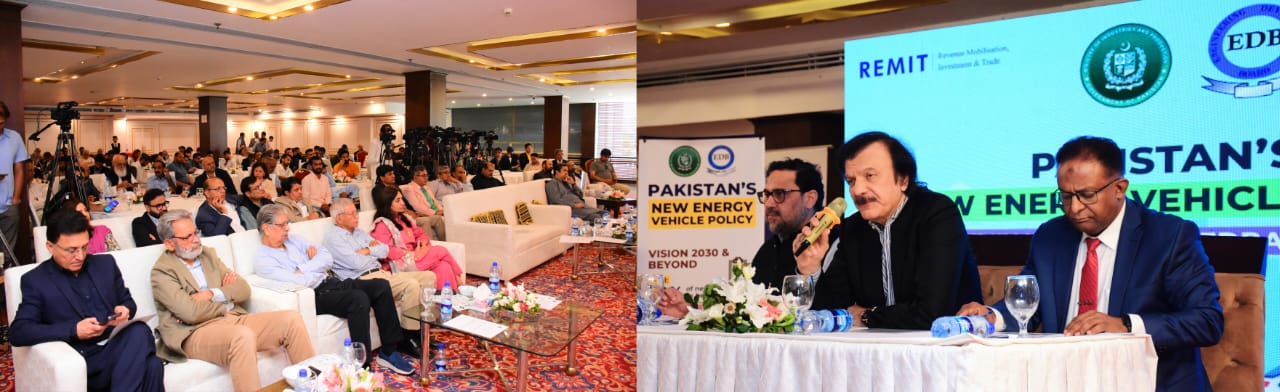
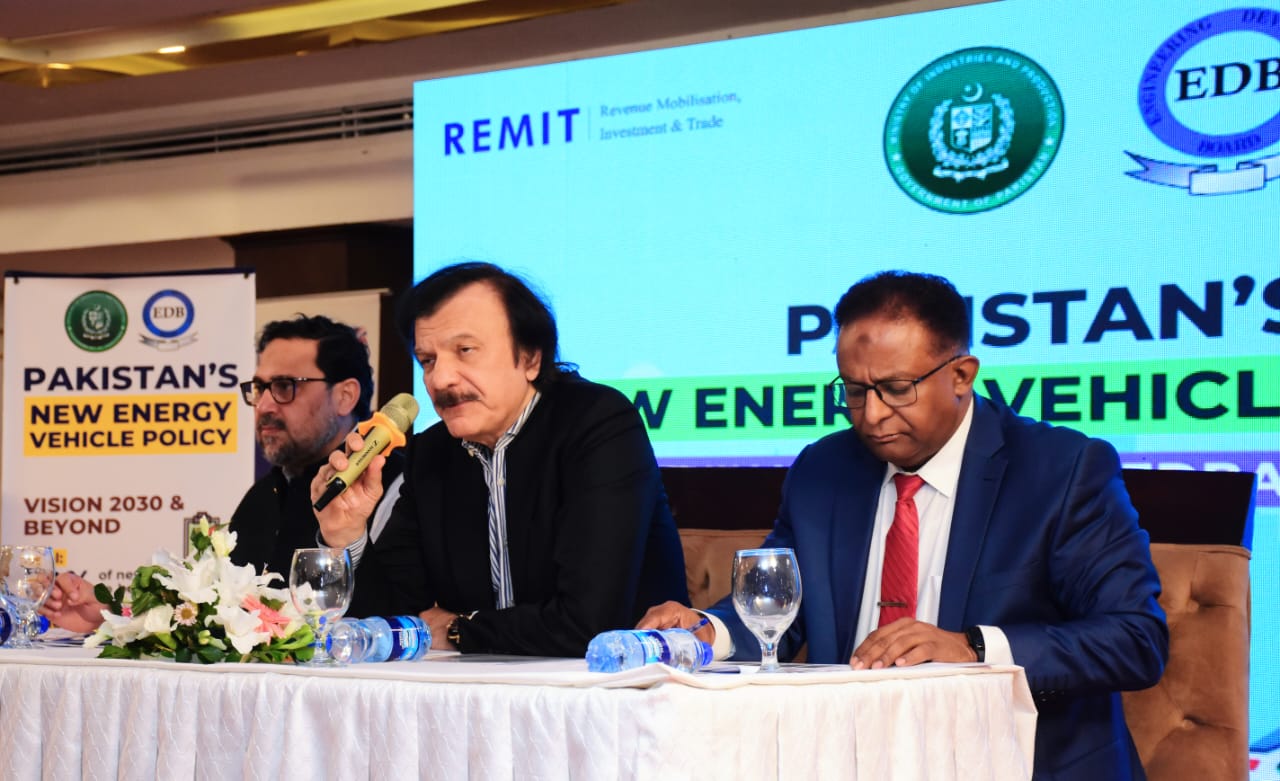
ISLAMABAD: Special Assistant to the Prime Minister on Industries and Production, Haroon Akhtar Khan, emphasized that Pakistan’s New Energy Vehicle (NEV) Policy 2025–30 is a cornerstone of Prime Minister Shehbaz Sharif’s vision for a smog-free and pollution-free nation.
Speaking at a dissemination and feedback workshop, he highlighted the initiative as a transformative step toward a sustainable and modern transport ecosystem.
The policy aims to make 30% of all new vehicle sales in Pakistan electric by 2030, targeting both environmental sustainability and economic resilience.
Environmental and Economic Impact
Mr. Akhtar revealed that full implementation of the policy could reduce carbon dioxide emissions by up to 4.5 million tons.
It is projected to save $1 billion in oil imports and avoid Rs. 405 billion in health-related costs caused by air pollution.
Additionally, it will allow the productive use of 126 TWh of surplus electricity that currently goes to waste.
He stated this is not only an environmental obligation but also an economic necessity.
Support Measures and Industrial Boost
To promote EV adoption, the government is offering targeted subsidies:
Rs. 65,000 for electric two-wheelers, Rs. 400,000 for three-wheelers, and Rs. 15,000 per kilowatt-hour for electric four-wheelers.
Infrastructure is also expanding, with 40 highway fast-charging stations expected by the end of 2025.
Provinces are being encouraged to waive registration fees for NEVs.
The policy has stimulated industrial growth, with 57 local manufacturing certificates already issued.
Over 90% localization has been achieved in the production of electric motorcycles and rickshaws.
International interest in Pakistan’s NEV market is growing, opening the door for foreign investment and technology exchange.