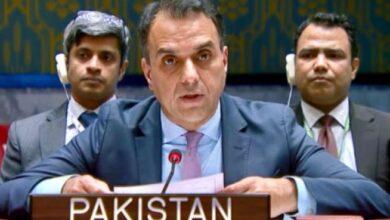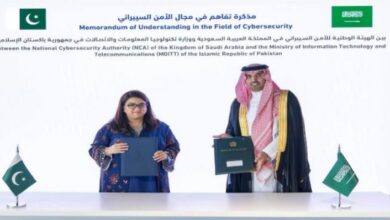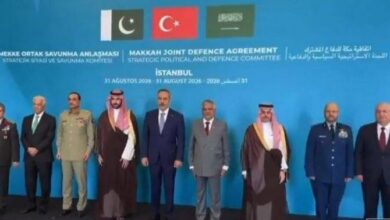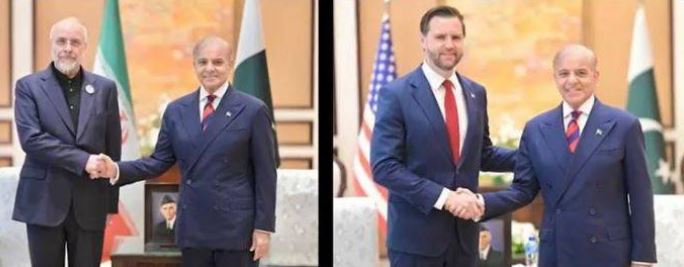
Islamabad : In a recent report, the international publication Asia Times has described Pakistan as an emerging “middle power” in global politics, noting that Islamabad has strengthened its global relevance through balanced and pragmatic diplomacy.
According to the report, Pakistan is no longer viewed solely as a regional state but is increasingly seen as a country with expanding international influence. Its “multi-alignment” foreign policy has been highlighted as a significant diplomatic achievement, enabling Pakistan to maintain and enhance relations simultaneously with China, the United States, and Gulf nations—reflecting a more mature and flexible foreign policy approach.
The report further stated that Pakistan is now acting as a bridge between major global powers, positioning itself as an important player in maintaining regional balance, particularly in South Asia. Its strategic geographic location has also been identified as a key factor in its growing importance for global stakeholders.
Pakistan’s role is not limited to regional stability; it is also seen as having the potential to contribute as a mediator in international disputes, with its relevance increasing in the shifting global order.
However, the report also pointed out several challenges that could impact Pakistan’s rise as a middle power. Among the most significant concerns is ongoing economic instability, which remains a major hurdle to sustained progress.
In addition, developments in Afghanistan and related security issues were highlighted as factors that could divert attention from broader strategic goals.
Analysts suggest that if Pakistan successfully addresses these internal and external challenges, it could further solidify its position as a key pillar in future global politics.