Washington : The US Supreme Court has struck down President Donald Trump’s global trade tariffs, declaring them unlawful and beyond his executive authority. The ruling marks a significant setback for Trump’s economic agenda.
According to the court’s Friday decision, Trump overstepped his presidential powers when imposing tariffs, which disrupted international trade. The judges clarified that the International Emergency Economic Powers Act (IEEPA) does not authorize the president to implement tariffs without congressional approval.
Analysts say the ruling undermines a central pillar of Trump’s trade strategy and could influence agreements signed earlier this year. It also sets a precedent that limits future unilateral trade actions by the executive branch.
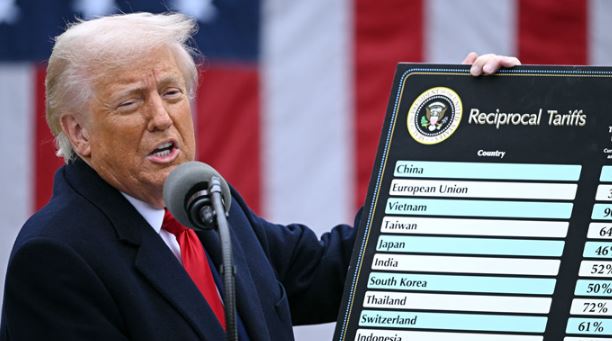
President Trump had imposed tariffs on multiple countries, including Pakistan, as part of his broader economic policy. In a statement last month, he had warned that a court ruling against his tariffs could pose economic difficulties for the US.