Washington : A heated dispute has emerged between the White House and the U.S. Supreme Court after the court invalidated tariff measures introduced during President Donald Trump’s tenure.
The ruling determined that the tariff policies exceeded the authority legally granted under current legislation, effectively halting their enforcement. The decision has sparked strong reactions from senior administration officials, signaling rising tensions over the scope of executive power in trade matters.
These tariffs were a central element of the administration’s strategy to protect domestic manufacturing and reduce trade deficits. Legal experts are still dissecting the full implications of the judgment, but it is widely seen as a significant limitation on the president’s ability to impose trade restrictions independently.
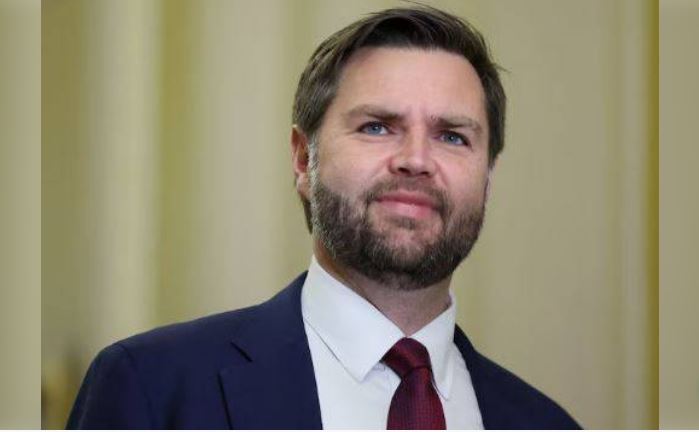
Vice President JD Vance condemned the decision, calling it an act of “lawlessness.” In a statement shared on social media, Vance argued that the court undermined the president’s constitutional and statutory powers to safeguard U.S. economic interests. He warned that the ruling could complicate efforts to defend American industries from perceived unfair foreign competition and slow initiatives aimed at reshoring key supply chains.
“The administration remains committed to defending American workers,” Vance said, noting that alternative legal mechanisms are being explored to maintain the tariff agenda.
Treasury Secretary Scott Bessent also addressed the issue, acknowledging the Supreme Court’s decision while reaffirming the administration’s commitment to its broader economic objectives. He said that officials are reviewing other legislative frameworks and executive options to continue protecting critical sectors.
The verdict has sparked a debate among legal analysts and political commentators about the balance of power between the executive branch and the judiciary in trade policy. Supporters of the court argue that the ruling reinforces constitutional checks and limits on presidential authority. Conversely, administration allies claim that the judiciary is obstructing necessary measures to protect national economic interests.
As the White House explores alternate strategies, analysts expect ongoing legal and political disputes in the weeks ahead. The outcome could influence not only U.S. trade policy but also the broader question of executive authority in economic decision-making.