Tehran (Web Desk / Agencies): Iran launched a series of missile strikes at Israel early Monday, citing allegiance to its newly appointed supreme leader, Mojtaba Khamenei, who takes over after the assassination of his father, Ayatollah Ali Khamenei. The move comes amid heightened warnings from the United States and Israel.
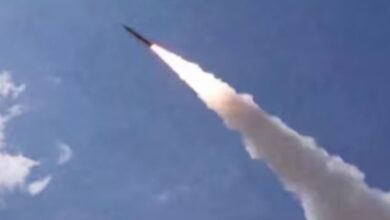
Nine days after his father’s death, Iran’s Assembly of Experts, consisting of 88 clerics, formally appointed 56-year-old Mojtaba Khamenei as the nation’s third supreme leader since the 1979 Islamic Revolution. State television displayed his photo alongside the announcement, emphasizing that the decision was made swiftly despite “aggression by the criminal US and the malicious Zionist regime.” Footage showed a missile fired toward Israel bearing the words, “At Your Command, Sayyid Mojtaba,” while explosions were reported in Qatar, where a major US air base is located.
Known as a hardliner, Mojtaba Khamenei is expected to continue his father’s uncompromising approach toward dissent, following nationwide protests that were violently suppressed in recent weeks. Former US President Donald Trump dismissed him as a “lightweight,” warning that his survival depended on US approval, while Israel cautioned that any new leader would be targeted if necessary. China called the leadership change an internal Iranian matter.
The missile strikes caused global oil prices to surge above $100 per barrel, a level not seen since Russia invaded Ukraine. Markets in Japan and South Korea opened lower, and the US State Department instructed non-essential personnel to leave Saudi Arabia after a drone strike on its embassy.
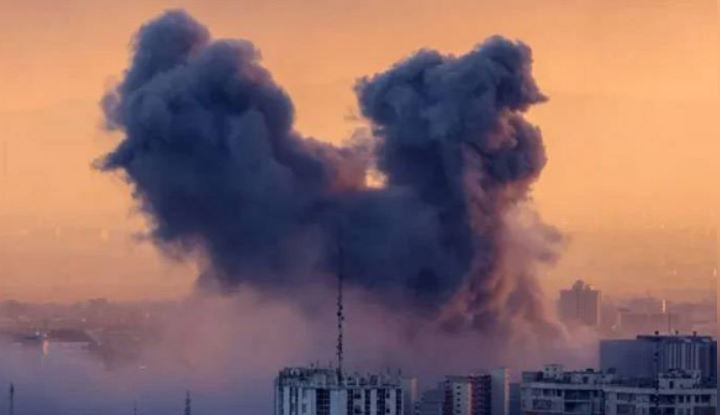
The Revolutionary Guards, loyal to the new leader, pledged full obedience and readiness to carry out his commands. Israel, meanwhile, targeted five oil facilities near Tehran, killing at least four people, while Dubai experienced flight disruptions. Residents reported smoke, toxic fumes, and fuel shortages, with some describing the air as “unbreathable.”
Trump issued mixed statements, calling for “unconditional surrender” while claiming progress in the conflict. The US military reported its seventh combat death in Saudi Arabia.
Iran warned that drone and missile operations could continue for up to six months. Israel struck a Beirut hotel, killing four Revolutionary Guards Qods Force commanders; Lebanon’s health ministry said four were killed, ten injured, and 394 people have died in Israeli airstrikes since the escalation began.
Further Iranian missile attacks injured six people in Tel Aviv, while Bahrain and Kuwait also reported damage and casualties. Iran claimed that 1,200 civilians had been killed and 10,000 wounded since hostilities began.
Pope Leo XIV called for peace, praying that “the bombs fall silent, the weapons are laid down, and dialogue can begin.”
Azerbaijan reopened its border with Iran for cargo, following earlier allegations of Iranian drone attacks, which Tehran denied, suggesting Israel was behind the incidents.