ISLAMABAD: The global fight against tuberculosis (TB) faces a major setback as US aid cuts disrupt crucial testing and treatment programs across several high-burden countries, including Nigeria and Pakistan.
Years of progress in reducing TB infections and deaths are now under threat due to halted funding, putting millions at risk of missed diagnoses and untreated illness.
Health workers and organizations warn that without urgent intervention, TB cases could surge, reversing hard-won gains in the battle against this deadly disease.
Impact of Aid Cuts on TB Programs
In Nigeria, the TB Local Network (TB LON) was a lifeline providing screening, diagnosis, and treatment to millions. Since 2020, it has screened over 20 million people and treated more than 100,000 patients.
However, USAID funding was abruptly cut earlier this year, forcing a halt to many community testing efforts.
This has led to layoffs of over 1,000 health workers, crippling the ability to identify new TB cases.
Nigeria currently faces 268 TB-related deaths daily, with many cases going undetected due to these disruptions.
Despite the government’s recent declaration of TB as a national emergency and a donation to fight it, experts stress that more comprehensive support is urgently needed.
The Situation in Pakistan and Beyond
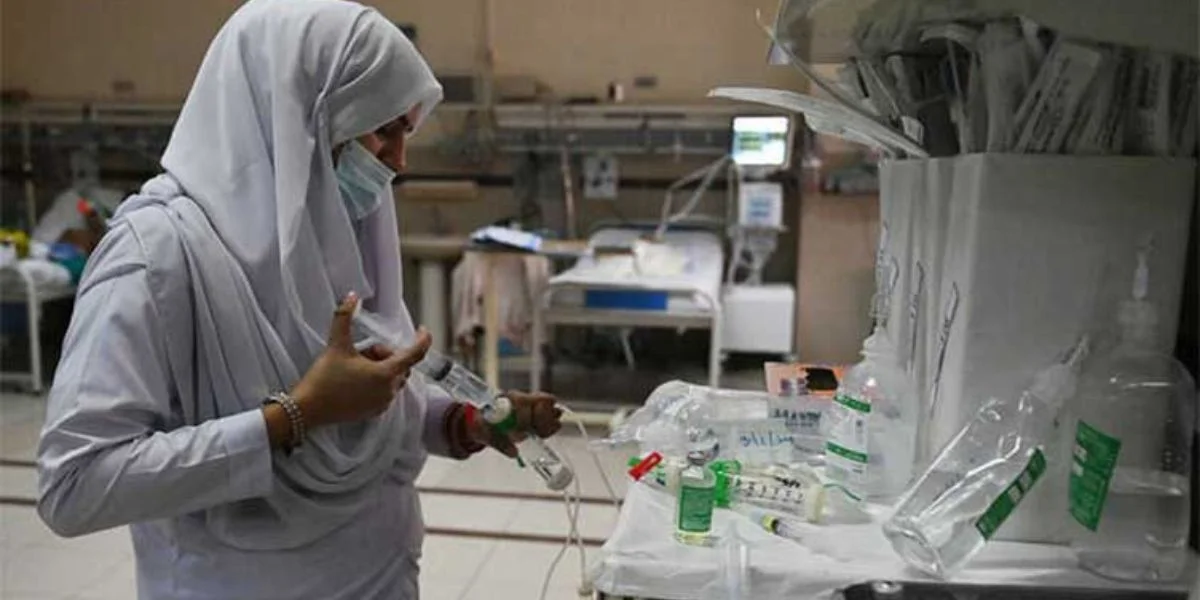
Pakistan, which records roughly 510,000 TB infections annually, has also felt the blow from the aid cuts. Médecins Sans Frontières (MSF) reported interruptions in community-based TB screening programs, especially in the hard-hit Sindh province.
The risk of increased TB infections and preventable deaths among children is a growing concern. Similarly, South Africa and the Philippines are experiencing challenges in maintaining TB and HIV services due to funding gaps, threatening vital testing, treatment, and research initiatives. T
he World Health Organization warns that such funding shortfalls may fuel the rise of drug-resistant TB strains and undermine decades of global health efforts.
The international community must urgently address these funding gaps to protect vulnerable populations and continue the fight toward a TB-free world.