Islamabad (Web Desk): Today, the world observes World Tuberculosis Day, including in Pakistan, to highlight the serious health, social, and economic impacts of tuberculosis (TB) and to reinforce global efforts to eliminate the disease.
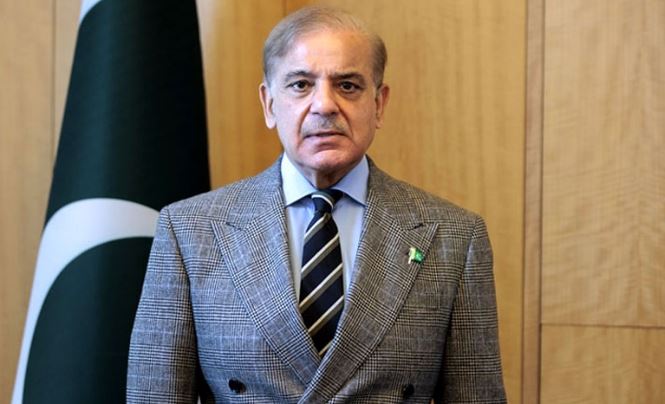
In a statement on the occasion, Prime Minister Shehbaz Sharif emphasized that Pakistan has made the eradication of TB a major public health priority.
He outlined that the government is implementing a comprehensive strategy aimed at early detection, ensuring universal access to effective treatment, preventing the spread of the disease, and providing complete care to patients.
The prime minister noted ongoing initiatives to expand modern diagnostic facilities, strengthen laboratory networks, and enhance disease surveillance systems across the country. He also highlighted that TB services are being integrated into primary healthcare centers to ensure patients receive continuous and uninterrupted treatment nationwide.
“On World Tuberculosis Day, Pakistan joins the global community in reaffirming its commitment to eliminating TB, a disease that is both preventable and treatable,” PM Shehbaz said.
He cautioned that despite medical progress, TB remains a leading infectious disease worldwide and continues to present significant health, social, and economic challenges, including in Pakistan. The disease disproportionately affects vulnerable groups, contributing to poverty, malnutrition, and social inequality, the prime minister added.
PM Shehbaz stressed that public awareness is crucial in combating TB. He called on community health workers, civil society organizations, research institutions, and private healthcare providers to play an active role in reducing stigma, encouraging timely diagnosis, and ensuring patients complete their treatment.
He further emphasized the importance of international cooperation, technical support, and sustained global funding in achieving the goal of TB elimination.
Finally, the prime minister urged all stakeholders—including federal and provincial authorities, development partners, academic institutions, media, and social leaders—to work together to ensure that no TB patient is left without access to proper care and treatment.