ISLAMABAD: The federal government is gearing up to introduce a new dual pricing system and differential tax rates to encourage digital payments and reduce reliance on cash transactions across various sectors.
This major move, expected to be announced in the upcoming budget on June 10, aims to shift Pakistan’s economy toward a more transparent and cashless future.
Finance Minister Muhammad Aurangzeb has been actively consulting with key stakeholders, including the Federal Board of Revenue (FBR), petroleum authorities, banks, and financial experts, to finalize the strategy.
Dual Pricing at Fuel Stations to Encourage Digital Use
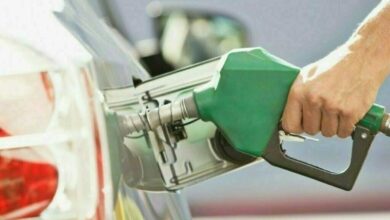
One of the most visible changes will be at petrol pumps across the country, which will be legally required to offer multiple digital payment options such as QR codes, mobile wallets, and debit or credit cards.
While cash payments will still be allowed, consumers who choose to pay with cash may face an additional charge of Rs2-3 per litre. This dual pricing model is designed to motivate consumers to adopt digital payments, which help the government track petroleum supply and reduce smuggling and tax evasion.
Tax Incentives and Penalties to Shift Business Practices
In addition to fuel pricing, manufacturers and importers will implement a standard 18% GST on digital payments but will be required to add an extra 2% GST on transactions settled in cash.
This approach creates a financial incentive for businesses and consumers alike to prefer documented digital transactions. Importantly, the government plans to introduce simple and affordable digital payment solutions to make adoption easier for small and informal businesses, avoiding costly point-of-sale systems.
Finance Minister Aurangzeb has also hinted at a slight tax relief of 1 to 1.5 percentage points for salaried taxpayers, signaling the government’s intent to ease the tax burden while strengthening overall revenue collection.
These steps are part of a broader campaign to document the economy, reduce tax evasion, and eventually move Pakistan closer to the standards of major global economies such as the G20.