ISLAMABAD: A key parliamentary committee has rejected the proposal to impose a uniform 4% rental valuation tax on commercial properties, while approving a series of measures to strengthen tax enforcement and extend oversight to elite membership clubs.
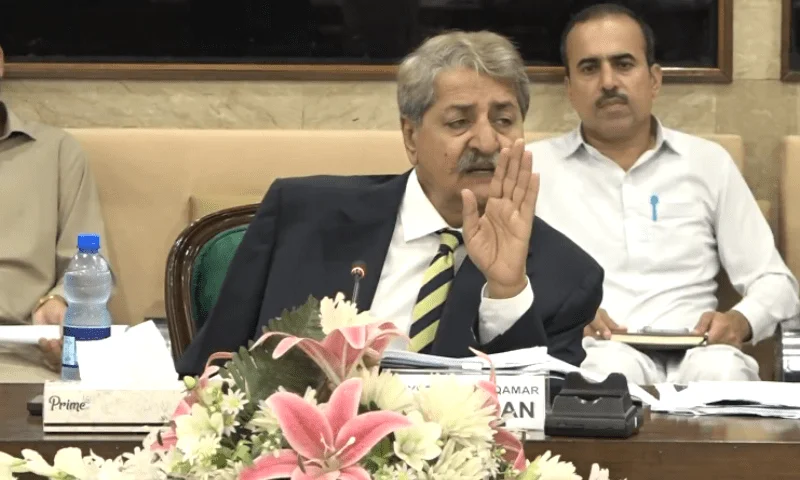
The National Assembly Standing Committee on Finance, chaired by MNA Naveed Qamar, held detailed discussions on the Finance Bill 2025.
During the session, Federal Board of Revenue (FBR) Chairman Rashid Mahmood Langrial addressed multiple concerns raised by committee members.
He explained that tax officers currently enjoy wide discretion in assessing rental values, which the new proposal aimed to regulate.
However, opposition from lawmakers—particularly MNA Mirza Ikhtiar Baig and MNA Usama Mela—prompted the FBR to withdraw the plan.
Elite Clubs, E-Commerce Face New Scrutiny
In a move targeting wealthier segments, the FBR confirmed that elite clubs charging membership fees of Rs1 million or more—such as Islamabad Club—will now fall within the income tax net.
These exclusive institutions will be required to file detailed income and expenditure records.
FBR Chairman Rashid Langrial said the step is part of a broader drive to improve fiscal transparency and reduce loopholes.
The meeting of the National Assembly Standing Committee on Finance and Revenue was held under the Chairmanship of Syed Naveed Qamar, MNA at Parliament House, Islamabad, today. #NACommittee@naveedqamarmna@Financegovpk pic.twitter.com/dPiDlKayBl
— Committees of NA (@NA_Committees) June 20, 2025
Additionally, MNA Muhammad Mobeen Arif raised concerns over e-commerce taxation.
He noted the tax disparity where online sellers are taxed at 1%, while traditional shopkeepers face 5%.
In response, the FBR said it is already working on closing this gap and identifying compliance weaknesses in digital trade.
Arrest Powers Curtailed for Tax Officers
Significant reforms were also introduced to limit the arrest powers of tax officials, especially in cases involving sales tax fraud.
State Minister for Finance Bilal Azhar Kayani stated that no arrest will be made during the inquiry stage unless the alleged fraud exceeds Rs50 million.
He said arrest now requires mandatory approval from a three-member FBR committee and a full inquiry.
This decision comes under the direction of Prime Minister Shehbaz Sharif, aiming to address concerns raised by the business community.
Previously, Assistant Commissioners had the authority to arrest under Section 37A of the Sales Tax Act 1990.
Under the new amendments, arrest is now conditional on approval by the Commissioner of Inland Revenue after a formal inquiry.
If an arrest is deemed malicious, a fact-finding inquiry will be conducted by the Chief Commissioner.
These changes aim to strike a balance between enforcement and taxpayer protection, ensuring transparency and due process.