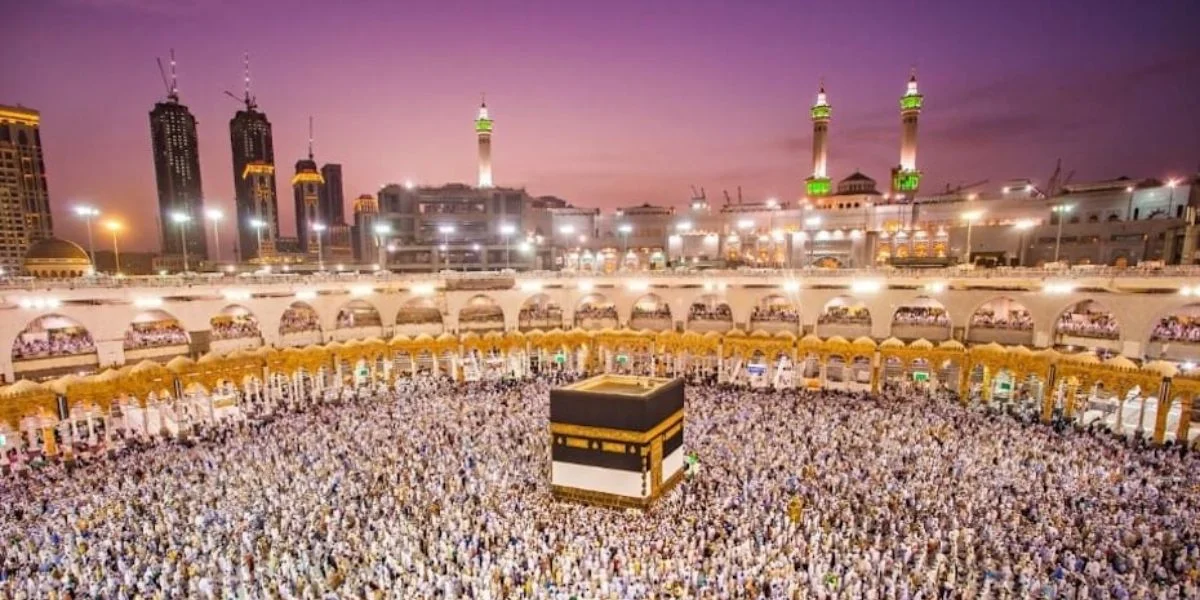
ISLAMABAD: Saudi Arabian authorities have arrested 14 individuals, including both citizens and foreign nationals, for allegedly helping dozens of people attempt to perform Hajj without the required permits.
The arrests come as part of the Kingdom’s ongoing efforts to maintain order and enforce strict Hajj regulations.
According to the Saudi Ministry of Interior, the Hajj Security Forces apprehended nine Saudi nationals and five expatriates at various entry points to Makkah.
These individuals were caught transporting 44 pilgrims who lacked the official Hajj licenses, violating established religious and legal protocols.
Harsh Penalties for Violating Hajj Regulations
The ministry confirmed that administrative action was promptly taken by seasonal committees against the unauthorized pilgrims, transporters, and their accomplices.
The penalties include heavy fines, vehicle confiscation, imprisonment, and deportation for non-Saudi offenders.
Saudi authorities have outlined stringent penalties for anyone attempting to perform Hajj without proper documentation. Violators face fines of up to SAR 20,000.
Additionally, repeat offenders or those caught transporting unauthorized pilgrims can face jail terms, SAR 100,000 in fines, and a 10-year ban on re-entry into the Kingdom. Vehicles used for illegal transport will be confiscated.
These regulations are part of a broader campaign to ensure the safety, comfort, and proper management of the millions of pilgrims expected to perform Hajj each year.
Call for Compliance with Hajj Laws
The Ministry of Interior has urged all citizens, residents, and foreign visitors to respect the rules and cooperate with authorities during the Hajj season.
Officials emphasized that these measures are not only legal requirements but also spiritual responsibilities, aiming to safeguard the sanctity and logistics of one of Islam’s most sacred rituals.
Strict enforcement of Hajj rules is intended to provide a smooth, secure, and spiritually fulfilling experience for authorized pilgrims, while also deterring violations that could disrupt the flow and safety of the pilgrimage.