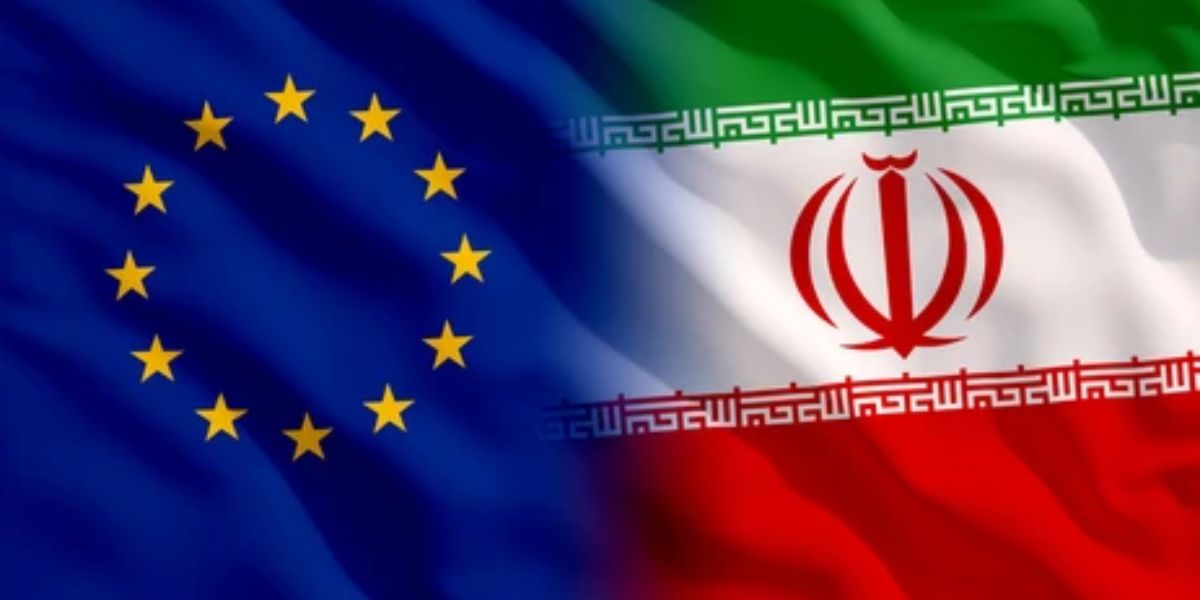
As the conflict between Iran and Israel intensifies with a wave of missile exchanges, foreign ministers from the United Kingdom, France, and Germany are preparing for a rare diplomatic meeting with Iranian Foreign Minister Abbas Araghchi in Geneva on Friday.
On Thursday, Iranian missile strikes hit central and southern Israel, including a direct impact near Soroka Medical Centre in Be’er Sheva, causing widespread damage. A missile strike in Holon, near Tel Aviv, injured over two dozen people and left one in critical condition after a residential building collapsed.
Israel, in response, launched airstrikes targeting Iran’s Khondab nuclear facility. Iranian media reported that the Khondab heavy-water reactor had already been evacuated, and no radiation threat was detected. However, Iran’s Atomic Energy Organisation confirmed that both the research reactor and adjacent facilities were struck.
Meanwhile, Iran accused the International Atomic Energy Agency (IAEA) of failing to act despite repeated warnings about potential Israeli attacks on nuclear sites. Tehran claims that these strikes violate international law.
The human toll is mounting. Iranian officials report over 585 deaths and 1,300 injuries, while Israeli authorities state that at least 24 people have been killed and more than 800 injured in Iran’s retaliatory missile attacks. Israeli airstrikes have reportedly left over 240 dead in Iran, including at least 70 women and children.
The European Union’s planned meeting with Araghchi could mark the first high-level engagement between Western leaders and Iran since the conflict began. However, the meeting is still pending final confirmation from Tehran.
While Araghchi has engaged with European ministers over the phone, he has refused contact with Donald Trump’s special envoy, Steve Witkoff, citing ongoing attacks allegedly backed by Washington.
“It is impossible to engage while under assault,” Araghchi said.
Discussions in Geneva are expected to focus on Iran’s nuclear programme and possible limitations. Tehran has expressed readiness to scale down certain nuclear activities but insists it will not agree to any unconditional surrender.