
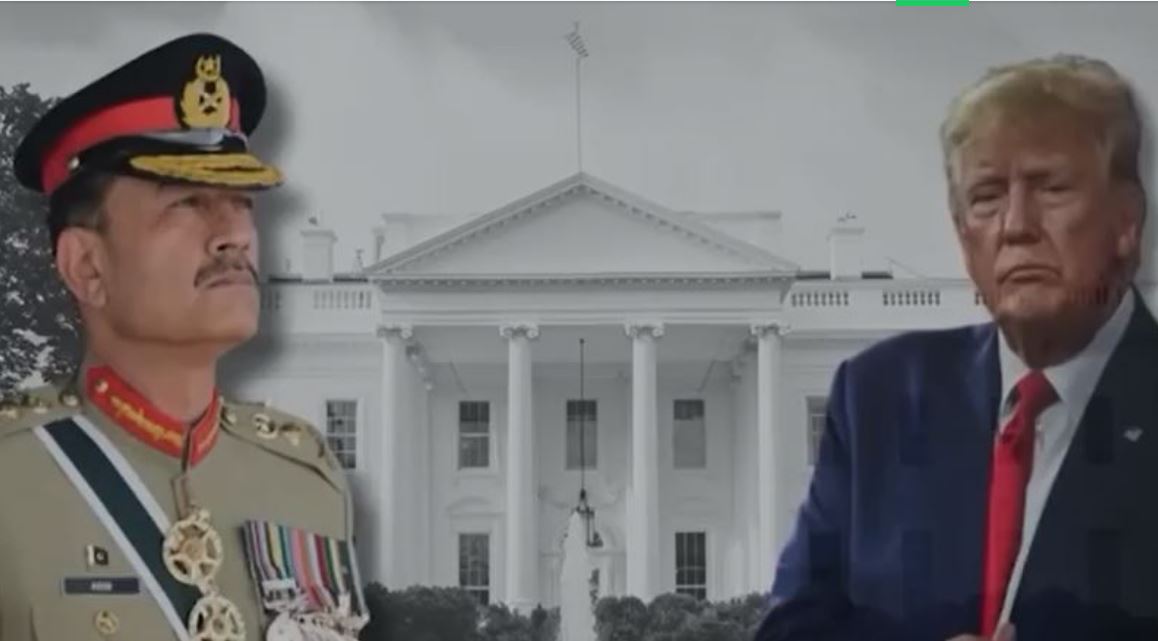
Washington: International affairs scholar Eldar Mamedov asserts that Pakistan has significantly improved its relationship with the United States in recent years, attributing this progress largely to the positive stance taken by President Donald Trump.
In an article published in The National Interest, Mamedov highlights that Trump made a striking acknowledgement of Pakistan’s counterterrorism efforts during his congressional address—a rare example of public praise from the U.S. president. This recognition, he argues, helped garner new allies in Washington who began to regard Pakistan’s strategic perspective more seriously than India’s.
The article further recounts the May military skirmish: after Indian airstrikes targeting Pakistan’s claims in Kashmir, Pakistan responded by downing Indian aircraft and capturing a pilot. Mamedov underscores that Trump’s timely diplomatic intervention defused the four-day confrontation, and Pakistan’s refusal to escalate the conflict earned widespread appreciation. The move was so significant that Pakistan even proposed nominating Trump for a Nobel Peace Prize.
Mamedov emphasizes that Field Marshal Munir’s composed and balanced demeanor resonated with Trump, forging what he terms a “bromance”—a close, personal rapport between the two leaders.
The article details how U.S.-Pakistan cooperation broadened, with major economic agreements signed and additional tariffs slapped on India—pushing New Delhi toward deeper ties with China and Russia. Notably, Modi was compelled to visit Beijing for the first time in seven years.
Yet amid these diplomatic victories, Mamedov poses a crucial question:
“Are Washington’s policies responding to a genuine, long-term shift—or are these just transient moves driven by current interests?”
