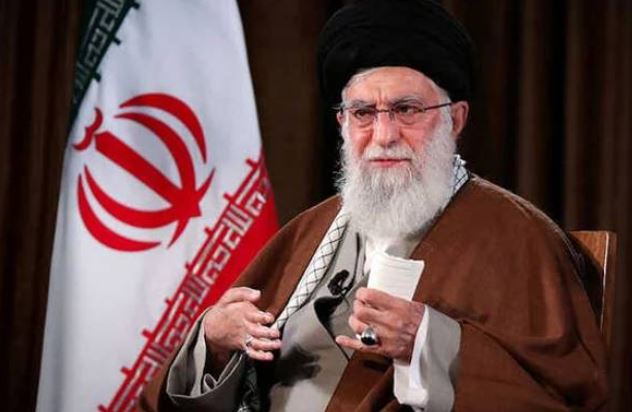
Tehran :In a bold statement that echoes across geopolitical circles, Iran’s Supreme Leader Ayatollah Ali Khamenei has broken his silence on last month’s missile strike targeting U.S. military bases in Qatar, calling it a calculated signal—not a stray act of aggression.
“This was no minor event,” Khamenei stated bluntly, hinting that Tehran’s long reach and missile precision are not only real—but repeatable.
The June 23 attack on Al Udeid Air Base in Doha, home to thousands of U.S. troops and one of Washington’s key regional strongholds, marks one of the most direct and daring moves by Tehran in recent years. While the international response has been cautious, Iranian state media was quick to confirm the strike—underscoring Iran’s willingness to take responsibility for actions it deems strategic.
At the diplomatic level, Iran appears to be keeping the door to negotiation slightly ajar. In an interview with a French publication, Iranian Foreign Minister Abbas Araghchi said Tehran is willing to resume talks with the United States—but only on its own terms. “Mutual respect, dignity, and an end to aggression,” he said, “are the starting points.”
He also revealed that U.S. operations had damaged Iran’s nuclear infrastructure, giving Tehran the right to demand compensation—a rare but pointed diplomatic message wrapped in legal language.
Taken together, Khamenei’s warning and Araghchi’s conditions paint a dual-track strategy: military defiance paired with conditional diplomacy. For Washington and its allies, the message is unmistakable—Iran will not be sidelined, and silence should not be mistaken for passivity.