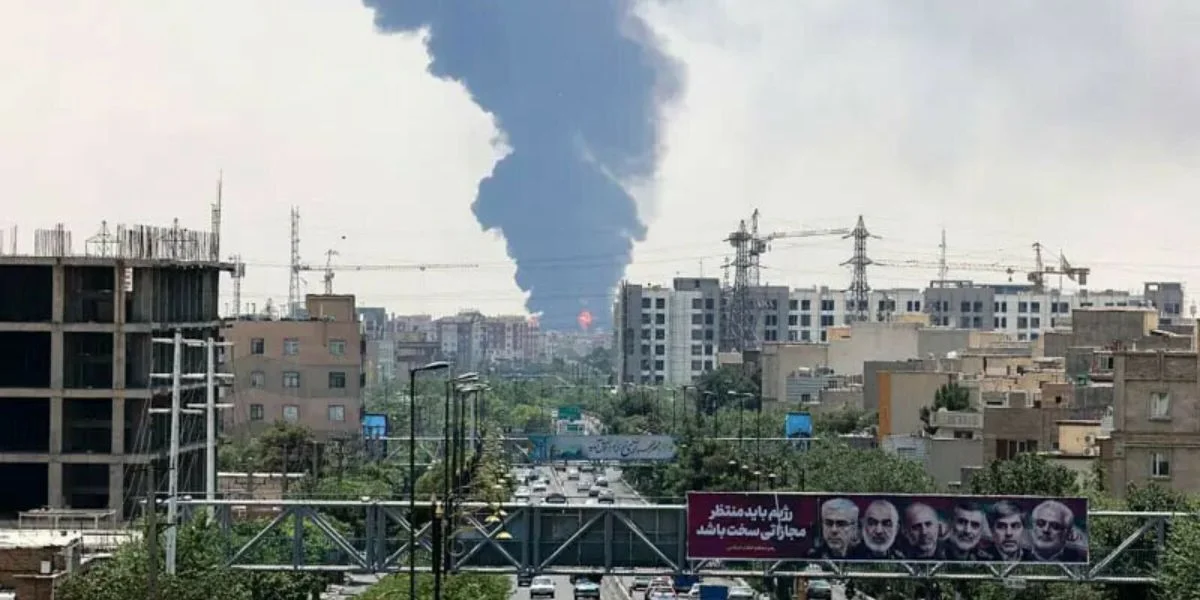
ISLAMABAD: Israel has announced it will continue its military strikes against Iran until the destruction of the Fordow nuclear facility, escalating concerns of a broader conflict in the region.
Israeli officials revealed they are actively trying to bring the United States into the operation, as they lack the capability to eliminate the heavily fortified site on their own.
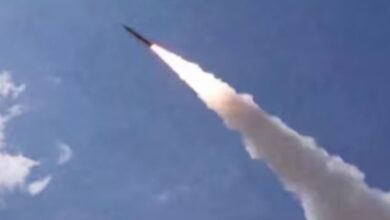
The statement follows a series of Israeli air raids on locations inside Iran identified as missile launch points used in recent attacks on Israel.
Israeli forces claim Iran has now moved its operations deeper inland, particularly to the central city of Isfahan.
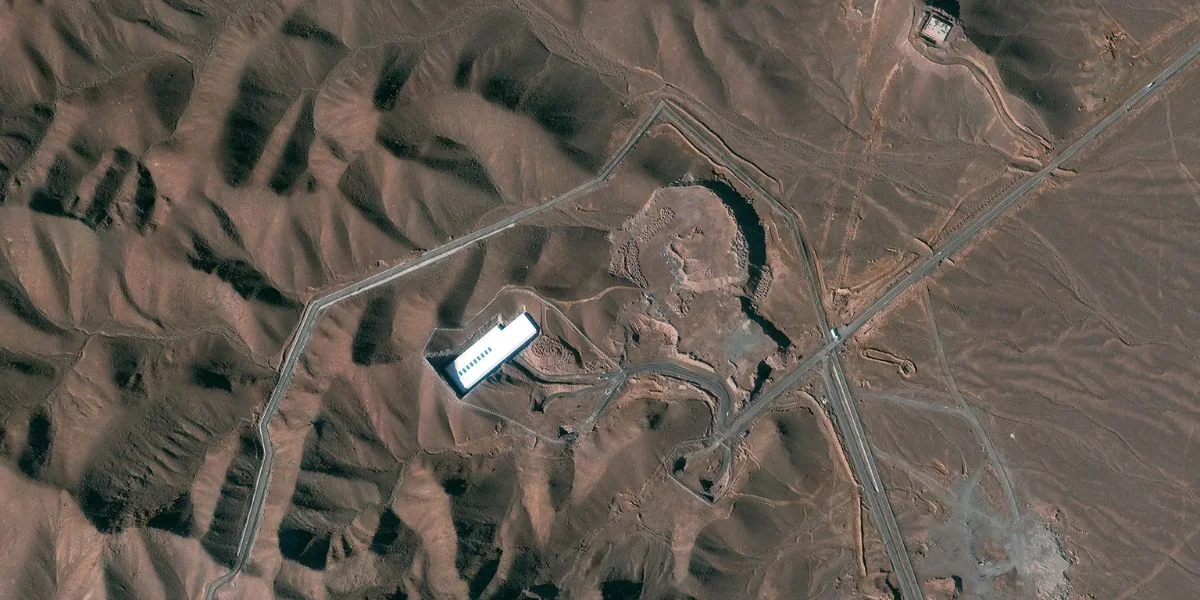
The Fordow plant, located underground and heavily protected, remains operational.
Seeks U.S. Support for Fordow Strike
Israeli officials are actively seeking U.S. military involvement, claiming that Israel alone lacks the capability to fully neutralize the deeply fortified Fordow site. Despite days of Israeli airstrikes on Iranian missile launch sites, officials admit that completing the mission requires strategic U.S. support. “We are waiting for President Trump’s decision,” said a senior Israeli official, adding that discussions with American counterparts are ongoing.
So far, President Trump has not publicly committed to joining an attack on Fordow. Sources suggest Israeli Prime Minister Netanyahu prefers Trump to make the decision independently, without feeling pressured by Israeli demands
 .
.
Iran Shifts Missile Launches Inland
According to the Israeli military, Iran has moved some of its forces to central regions, now launching missiles from Isfahan. Israel claims its fighter jets have already targeted key positions responsible for attacks on Israeli territory.
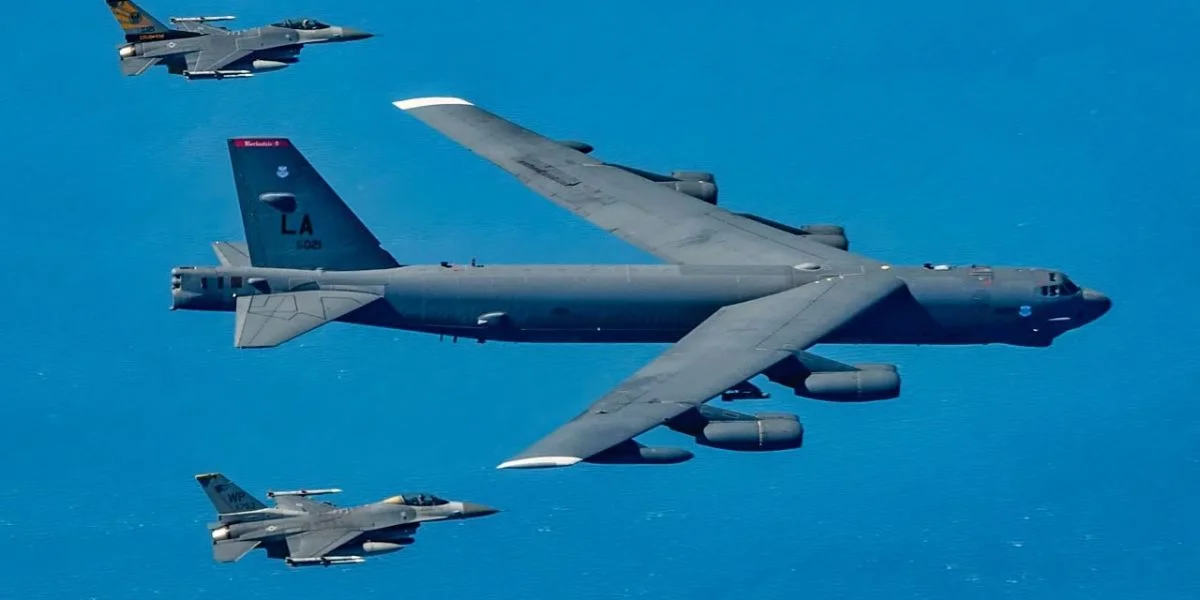
While Israeli officials insist they have alternative methods to disable Fordow, they acknowledge nothing is as effective as a U.S. “bunker buster” strike using 30,000-pound bombs delivered by strategic bombers.
Tensions in the region remain high, with continued speculation about if—or when—U.S. forces may enter the escalating conflict.