Islamabad / New York / London : India’s unilateral suspension of the Indus Waters Treaty has triggered widespread concern among the international community. Experts, diplomats, and global organizations have labeled the move a dangerous escalation that could destabilize South Asia and lead to potential water conflicts.
India’s action is being widely regarded as a serious violation of international law, diplomatic protocols, and United Nations-backed treaties. The development has once again drawn global attention to the fragile water-sharing situation in the subcontinent.
International Response
Several members of the British House of Lords have warned that India’s move could endanger the lives of millions. They have called for immediate dialogue and urged that such actions must not be allowed to undermine the sanctity of international treaties.
China has also expressed deep concern over the issue, stating that the dispute serves as a warning for other upstream countries that violating water agreements could trigger global crises.
A Challenge to the Global Order
Global analysts argue that India’s irresponsible behavior is damaging international trust. They questioned: if a country can unilaterally suspend a UN-recognized treaty, how can the global rules-based system survive?
Observers have termed India’s actions a “dangerous precedent in treaty violations,” warning that if such trends are not stopped, they may disrupt the global water governance system and pave the way for water wars in the future.
Pakistan’s Stance
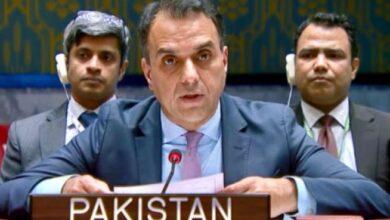
Pakistani officials have stated that India’s suspension of the Indus Waters Treaty is a threat to regional peace. The Foreign Office has urged the international community to hold India accountable and ensure the restoration of the agreement.