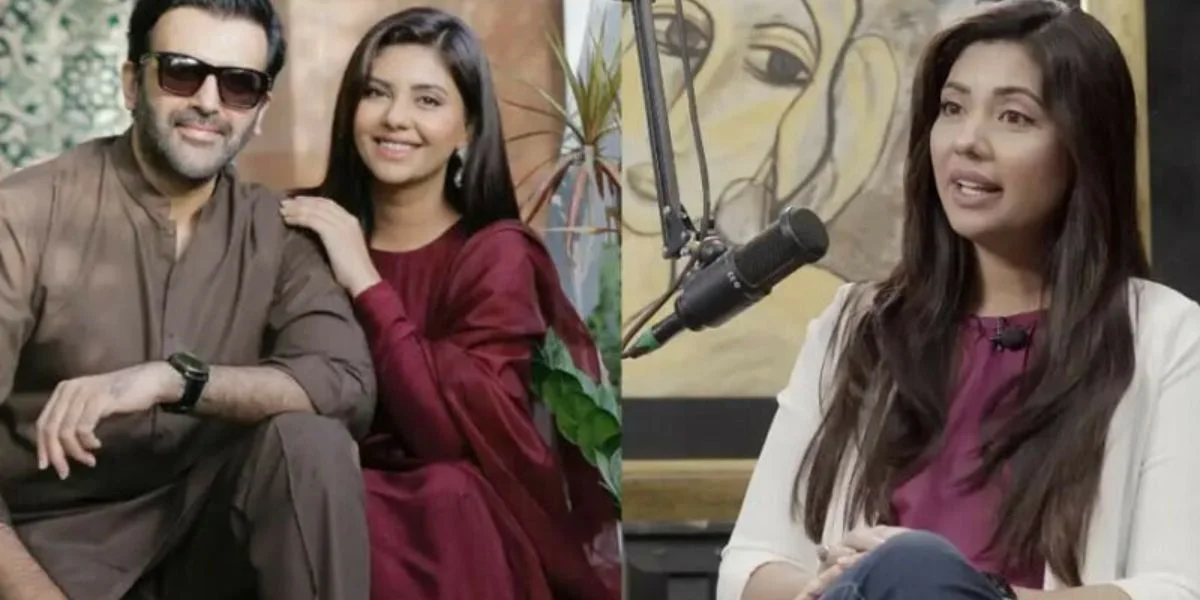
Actress Sunita Marshall has revealed that she often receives messages and comments on Instagram from followers praising her character and urging her to convert to Islam. “People say, ‘You’re so sweet, graceful, and well-mannered — you should become Muslim,’” she shared during a recent podcast.
No Religious Pressure from Husband or In-Laws
Sunita Marshall, a practicing Christian, is married to Muslim actor Hassan Ahmed. Their children follow Islam, but she made it clear that religion has never been a point of contention in their relationship. Speaking on Frieha Altaf’s podcast, Sunita emphasized that neither Hassan nor his family ever pressured her to convert, even at the time of their marriage.
She explained that the respect and love she received from her in-laws before marriage continue in the same way today, regardless of her religious identity.
Family Background and Relationship Journey
Sunita also touched on her family’s peaceful migration to England, clarifying that it was a personal choice, not due to discrimination or threats. Her family and close relatives, she said, have never faced any religious discrimination in Pakistan.
She also shared personal stories about her and Hassan Ahmed’s early relationship, stating that they began talking via text messages before meeting in 2003 and developing a stronger bond.
Responding to Public Messages
Sunita admitted that while the Instagram messages urging her to convert sometimes make her laugh, she doesn’t respond to them. She finds them curious but chooses to stay silent.