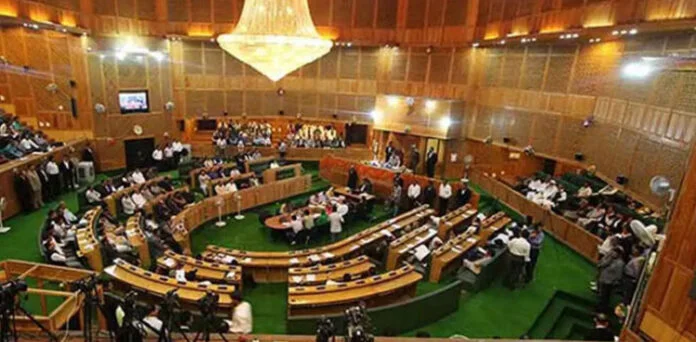
ISLAMABAD: Azad Jammu and Kashmir (AJK) government has announced an Annual Development Programme (ADP) budget of Rs49 billion for the fiscal year 2025-26.
This includes Rs1 billion from foreign sources, focusing on infrastructure, social, and productive sectors.
Finance Minister Abdul Majid Khan shared the sector-wise allocation details during the budget announcement.
Sector-wise Allocation and Key Priorities
The Communication and Works Department will receive the largest share with Rs15 billion to enhance infrastructure.
Health sector is allocated Rs6 billion, followed by Rs5 billion each for education and local government and rural development (LG&RD).
Energy and water resources have been allotted Rs4.8 billion, including Rs3.2 billion for hydropower projects and Rs1.6 billion for electricity supply upgrades.
Other significant allocations include Rs2.465 billion for Physical Planning and Housing, Rs2.035 billion for governance, Rs1.4 billion for research and development, and Rs1.15 billion for land administration and refugee colony improvements.
Ongoing and New Projects for Economic Growth
52 percent of the funds, totaling Rs25.21 billion, will be used for ongoing projects, while Rs23.79 billion is allocated for new initiatives.
By the end of the current fiscal year, 76 development projects will be completed, with 167 projects targeted for completion in the next year.
The budget also earmarks funds for sectors like industries, agriculture, tourism, sports, social welfare, and technical education to promote overall growth.
Education receives Rs52.786 billion in recurring expenditures, followed by Rs49 billion for pensions and Rs37.99 billion for wheat flour subsidies under State Trading.
This budget reflects AJK’s commitment to infrastructure improvement, social welfare, and economic development through strategic allocation and project execution.