Lahore : Prime Minister Shehbaz Sharif has directed relevant authorities to develop a comprehensive plan focused on austerity and prudent spending in response to the economic pressures stemming from ongoing regional tensions and their impact on the global economy.
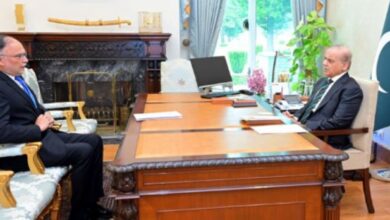
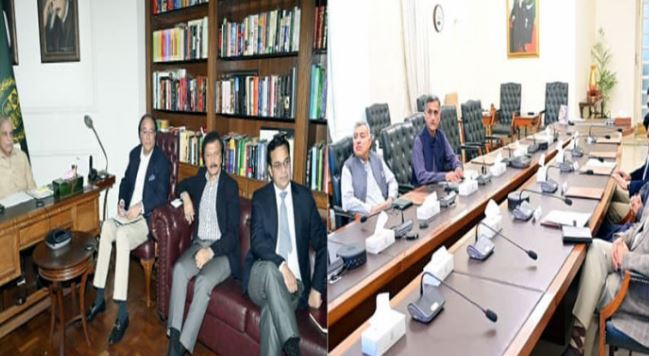
During a meeting in Lahore reviewing Pakistan’s economic outlook, PM Shehbaz instructed officials to submit actionable and practical proposals within 48 hours. He emphasized that these measures should prioritize easing financial strain on citizens while ensuring initiatives provide tangible relief to the public.
The prime minister recalled that a committee had been constituted last week to examine the economic effects of recent regional developments. This body has been tasked with creating a framework to manage the evolving situation while maintaining adequate supplies of petroleum products across the country.
PM Shehbaz urged the committee to expedite its work and present clear, workable recommendations that benefit citizens without delay. In addition, he instructed the finance minister and petroleum minister to visit all four provinces to coordinate with provincial administrations on promoting petroleum conservation while ensuring uninterrupted availability for consumers.
Highlighting strict enforcement, the prime minister stated that any petrol pump or company found hoarding fuel or deliberately creating artificial shortages must face immediate closure, cancellation of licenses, and legal action against those responsible.
These directives come amid heightened economic pressures due to regional instability, reflecting the government’s focus on protecting citizens from rising financial burdens and maintaining essential commodity supplies.