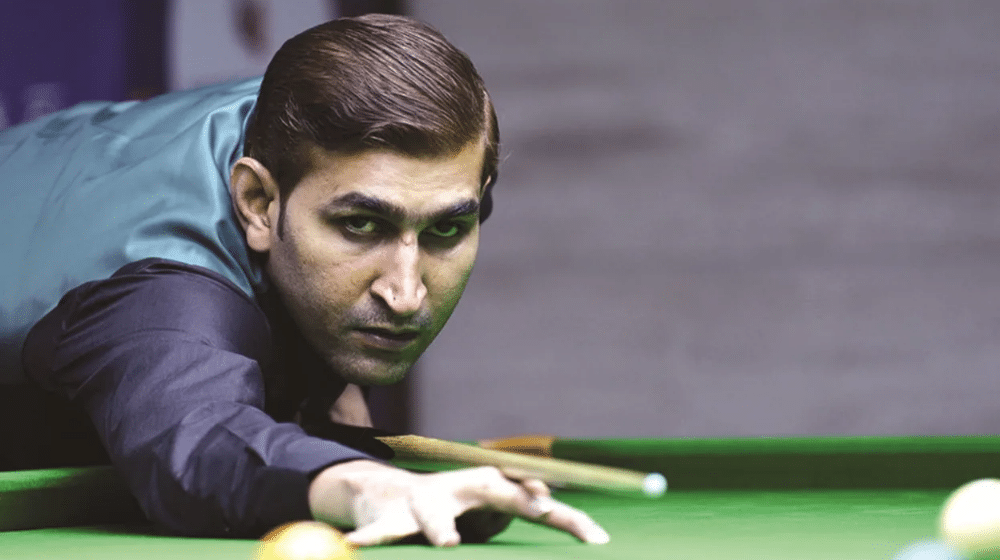
ISLAMABAD: National snooker player Babar Masih has called on the federal government and Pakistan Sports Board (PSB) to formally recognize his impressive contributions on the international stage.
Despite winning numerous medals for Pakistan, Babar expressed disappointment over the lack of official acknowledgment and financial rewards.
Babar, speaking at a press conference hosted by former federal minister J. Salik, highlighted his achievements, including multiple international medals and victories against top players like India’s Pankaj Advani. “I have a long list of medals but have never been given any government recognition or financial reward,” he lamented, appealing directly to Prime Minister Shehbaz Sharif, Adviser Rana Sanaullah, and PSB Director General Yasir Pirzada for support.
Career Highlights and Challenges
Over his career, Babar has been crowned Asian champion three times in team events and has claimed a world championship title with his team. His medal tally includes four gold, seven silver, and seven bronze medals.
However, Babar noted that while the Pakistan Billiards and Snooker Association (PBSA) supports official tours, promises often go unfulfilled, and private tours receive no backing.
Officials at PBSA acknowledged Babar’s successes in team competitions but pointed out he has yet to secure a major individual international title.
Nonetheless, the PSB maintains an open-door policy, with Director General Yasir Pirzada inviting Babar to present his case if his accomplishments meet the eligibility criteria for rewards.
Ongoing Support and Federation Issues
In related developments, PBSA Chairman Alamgir A. Shaikh recently met with Ministry of Inter-Provincial Coordination Secretary Mohyuddin Ahmad Wani and PSB DG Yasir to discuss the release of annual and special grants.
The IPC Secretary assured that the matter would be addressed in the upcoming PSB meeting. Alamgir also raised several long-standing concerns faced by the federation in hopes of securing better support for the sport’s development.