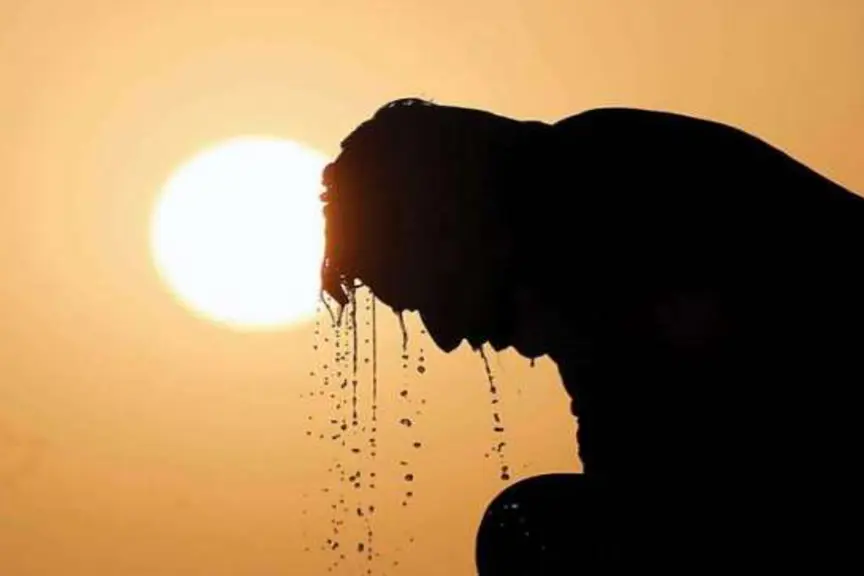
ISLAMABAD: The National Disaster Management Authority (NDMA) has warned of extreme heat affecting most parts of Pakistan over the coming six days.
From June 13 to June 18, the majority of Punjab, Khyber Pakhtunkhwa, Sindh, Balochistan, Gilgit-Baltistan, and Azad Jammu & Kashmir will face scorching temperatures.
However, Islamabad, Rawalpindi, the Potohar region, and upper Punjab may see cloudy skies, scattered rains, and windstorms between June 13 and June 16 due to a weak western weather system.
This weather system is expected to bring some relief to northern and upper areas but will not affect the overall heatwave impacting the rest of the country.
NDMA’s National Emergencies Operation Center (NEOC) has issued an impact-based advisory urging the public to stay vigilant and take necessary precautions during the extreme heat period.
Heatwave Impact and Regional Outlook
Punjab will experience persistent hot weather with no significant rainfall expected.
In Khyber Pakhtunkhwa, temperatures will remain high, but scattered rain and windstorms may occur in several districts including Chitral, Haripur, Kohat, Peshawar, and Swat among others.
Sindh and Balochistan will stay predominantly hot and dry, increasing heat-related risks in these provinces.
Northern regions like Gilgit-Baltistan and Azad Jammu & Kashmir will see hot weather too, though some areas such as Skardu, Hunza, and Neelum Valley might get isolated showers during this period.
Safety Measures and Public Advisory
NDMA emphasizes the importance of public preparedness and coordination with local authorities to reduce heat-related health risks.
Residents in heat-prone areas are advised to remain hydrated, avoid outdoor activities during peak sunlight hours from 11 AM to 4 PM, and wear light, breathable clothing.
Special attention should be given to vulnerable groups including children, the elderly, and those with pre-existing health conditions.
Never leave children or pets unattended in parked vehicles, and stay updated with weather alerts through the
NDMA app or official channels.
Tourists planning visits to northern or hilly areas should monitor weather forecasts closely and follow safety guidelines issued by local authorities.
The NDMA continues to monitor the situation closely, working with provincial and district governments to ensure timely response and public safety.