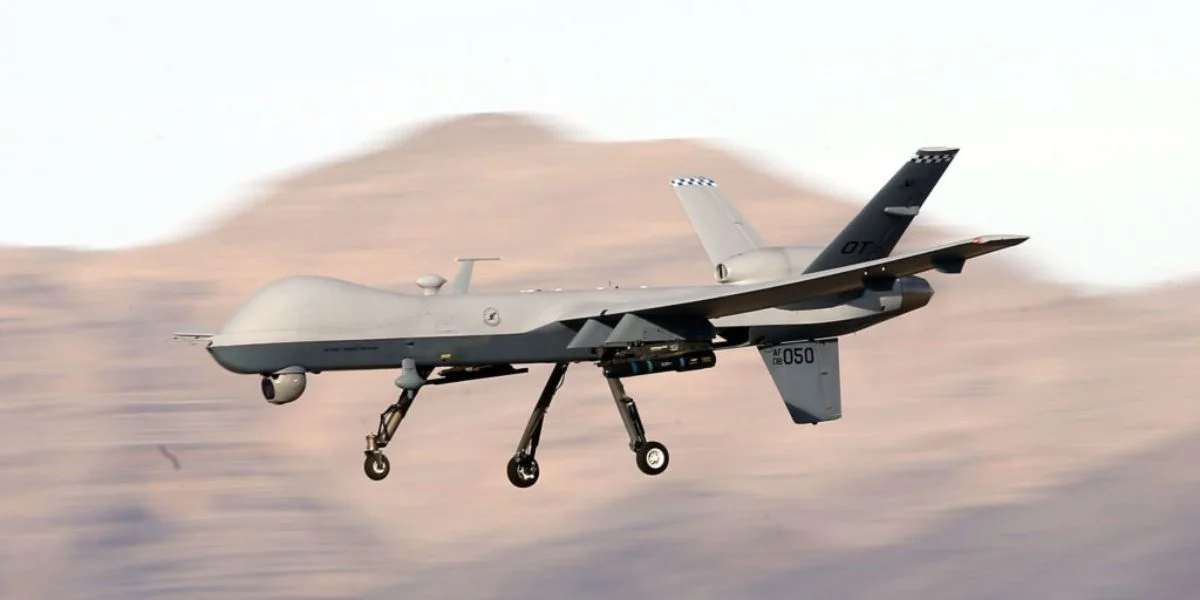
ISLAMABAD: At least 22 people, including seven minors, were injured in an alleged quadcopter strike in the Wana tehsil of South Waziristan, Khyber Pakhtunkhwa, according to a report issued by the District Headquarters (DHQ) Hospital, Wana.
The drone-like attack, which took place around 8pm, has sparked fear and outrage in the region, with local leaders calling for a transparent investigation and accountability.
Details of the Attack and Casualties
The DHQ Hospital confirmed that the victims were aged between 13 and 60, with two individuals — including a 13-year-old child — in critical condition and referred to tertiary care facilities. According to hospital sources, seven of the injured sustained “major” wounds, while 13 others suffered “minor” injuries, with two already discharged.
PTI lawmaker Zubair Khan Wazir, speaking to local media, stated that the attack occurred while young men were engaged in a volleyball game. “The community is in shock. People are terrified and have confined themselves to their homes,” he said. The Member of National Assembly (MNA) strongly condemned the incident on social media, terming it a deliberate attack on innocent civilians and demanding a swift response from the federal government.
Public Reaction and Background
Wazir labeled the incident as “shameful and unacceptable”, accusing authorities of allowing such acts under the pretense of targeting militant hideouts. He further described the attack as a calculated effort to destabilize peace in the region.
The incident follows another suspected quadcopter strike in Mir Ali, North Waziristan, two weeks ago, which resulted in the deaths of four children and injuries to five others.
While locals initially blamed security forces, the military later attributed the attack to the banned Tehreek-i-Taliban Pakistan (TTP).
After days of protests involving the display of victims’ bodies, the bereaved families in Mir Ali ended their sit-in after reaching an agreement with the local administration.
However, the Wana incident has reignited tensions and raised fresh concerns over civilian safety in conflict-prone tribal areas.