ISLAMABAD: Israel’s unprecedented military strikes on Iran’s oil and gas infrastructure have raised serious concerns over global energy stability, as markets brace for potential price shocks and wider disruption.
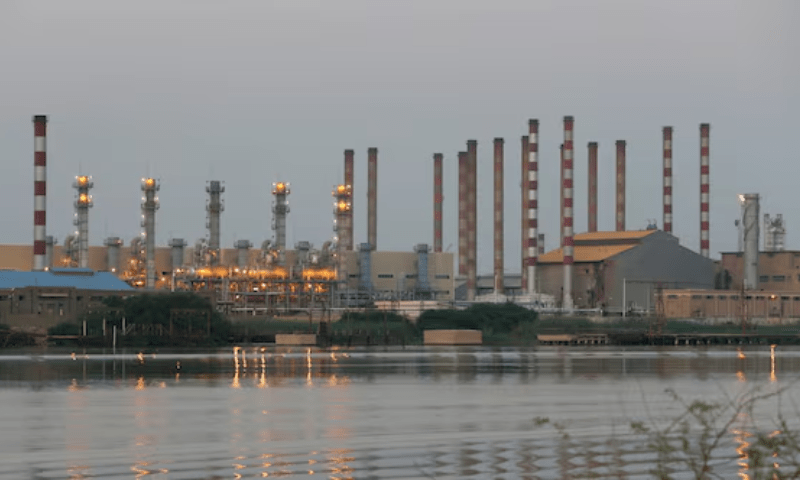
On Saturday night, Israeli airstrikes hit key energy sites in Iran, including the South Pars gas field and multiple oil depots, marking the first time such vital infrastructure was directly targeted.
A fire broke out in Phase 14 of South Pars, Iran’s largest gas field, suspending production of around 12 million cubicmetres of gas.
Although the fire has since been extinguished, the temporary halt at one of the world’s largest gas reserves has added fuel to the uncertainty in global markets.
Iran’s South Pars, which it shares with Qatar, accounts for nearly 20% of global gas reserves.
While Qatar operates its side with international partners like Exxon and Shell, Iran’s development remains largely domestic due to international sanctions.
Tehran’s ability to meet internal gas demands has now come under pressure, with potential knock-on effects on oil and gas logistics across the region.

Escalation Raises Risk to Global Energy Flow
The attack also ignited fires at the Shahran fuel depot and the Fajr Jam Gas Refining Company.
Reports confirmed flames rising from key facilities at opposite ends of Tehran, threatening one of the country’s most critical urban fuel grids.
The Shahran depot, with 260 million litres of fuel storage, plays a major role in distributing petrol, diesel, and aviation fuel across the capital.
Damage to this infrastructure could further disrupt local and regional supply chains.
Meanwhile, oil analysts warn that a broader conflict could target more Iranian facilities.
Jorge Leon of Rystad Energy called it the most significant energy attack since Saudi Arabia’s Abqaiq strike in 2019.
Oil prices surged up to 13% on Friday after initial Israeli attacks, even before energy assets were directly hit.
Strait of Hormuz at the Center of Crisis
A major escalation could come if Iran follows through on threats to close the Strait of Hormuz, a narrow channel through which nearly 20% of global oil passes.
Any disruption there would affect exports from major producers like Saudi Arabia, the UAE, and Kuwait.
Iran’s Revolutionary Guard General Esmail Kosari confirmed that Tehran is actively reviewing a closure of the strait.
This threat is considered Iran’s “trump card” and could choke global oil flow, pushing prices $20 or more per barrel higher.
While Saudi Arabia and the UAE can add up to 3.5 million barrels per day to offset any disruption, other Opec+ members are already near capacity.
Russia, despite its size, may struggle to increase output significantly due to existing sanctions and infrastructure constraints.
Although Iran produces over 3 million barrels per day, most of its crude ends up in China via smaller, independent refiners.
If strikes continue, even this limited flow could be impacted, putting pressure on Chinese imports and global supply chains.