ISLAMABAD: A key Senate panel has proposed significant relaxations in tax regulations under the Finance Bill 2025-26, particularly aimed at easing property purchase limits for tax filers and broadening the national tax base by targeting luxury recreational clubs.
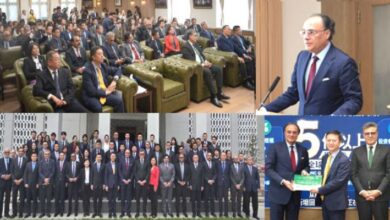
These developments came during detailed deliberations held by the Senate and National Assembly Standing Committees on Finance and Revenue at Parliament House, where lawmakers reviewed each clause of the upcoming budget proposals.
The Senate committee, led by Senator Saleem Mandviwalla, strongly opposed the newly introduced clause that restricts individuals from buying assets worth more than 130 per cent of their declared wealth.
The panel backed an amendment to raise this cap to 400 per cent, significantly enhancing the financial flexibility of tax filers.
For instance, an individual declaring Rs10 million in wealth would be allowed to purchase assets worth up to Rs40 million.
The recommendation reflects concerns from lawmakers such as Senator Mohsin Aziz, who highlighted how inflation and currency devaluation have eroded purchasing power.
Luxury Clubs Brought Into Tax Net
A landmark decision approved by the committee was the imposition of taxes on luxury private clubs. Previously exempt, these elite institutions—frequented by affluent individuals—will now face income tax if their earnings exceed expenses.
State Minister for Finance Bilal Azhar Kayani defended the move as essential for a fairer tax regime, while FBR Chairman Rashid Mahmood Langrial noted that many of these clubs possess land and assets valued in the billions but contribute little to the national revenue.
Langrial stated that taxing the profits of such clubs would correct this imbalance, adding that even individuals earning Rs100,000 per month would face a manageable tax burden of Rs1,000.
Still, lawmakers pushed for further relief, suggesting that the annual exemption threshold be raised to Rs1.2 million.
Mixed Response to E-Commerce and Education Taxes
The committee also debated digital taxation, rejecting a proposed tax on e-commerce platforms that sell goods and services online.
Senator Anusha Rahman criticized her own party’s approach, suggesting the government should first bring traditional retail sectors into the digital tax net. On the other hand, the panel approved a tax on online educational academies, citing their growing revenues—some reportedly making over Rs20 million monthly.
According to the FBR, individuals earning through digital teaching platforms must also contribute to public finances.
Finance Minister Muhammad Aurangzeb also presented a new housing mortgage scheme offering tax credits of up to 30 per cent of income for houses under 2,000 square feet.
However, some lawmakers raised concerns about the practicality of the FBR’s new rule disqualifying 10 per cent of expenditures made from unregistered vendors, warning it could discourage market competition due to the limited number of registered suppliers.
The meeting concluded with a briefing from Commerce Secretary Jawad Paul on the new Five-Year Tariff Policy (2025-30), aimed at gradually reducing customs and additional duties by 2030—an initiative expected to have a revenue impact of Rs500 billion.
Aurangzeb emphasized the need for structural reform, pointing out that past increases in tariffs—meant to address balance of payments issues—had outlived their purpose.