GENEVA: European foreign ministers will meet Iran’s top negotiator on Friday in a diplomatic push to revive stalled nuclear talks, even as the United States weighs military support for Israel amid rising tensions with Tehran.
Officials from the E3 — Britain, France and Germany — along with the EU’s foreign policy chief, Josep Borrell, reached out to Iranian negotiator Abbas Araqchi earlier this week, urging a return to dialogue and de-escalation. The call, described as rare, led to Iran agreeing to in-person talks in Geneva at its own request.
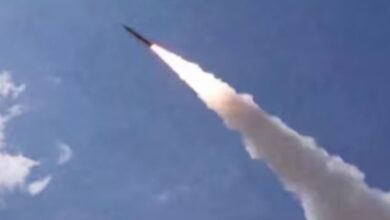
The discussions come just days after Israel launched a massive military campaign — dubbed Operation Rising Lion — against Iranian nuclear and missile facilities on June 12. The offensive effectively derailed recent indirect talks between Washington and Tehran.
“We can talk where the Americans cannot,” said a European diplomat. “Our message is clear: come back to the table before it’s too late. At the same time, we must raise our concerns about Iran’s missile program, support for Russia, and the detention of our citizens.”
Despite limited expectations for a breakthrough, European officials stressed that diplomatic engagement remains essential, especially with Iran’s nuclear expertise intact. “Even if the fighting stops, the issue of Iran’s nuclear know-how doesn’t go away,” one diplomat said.
Iran, for its part, reiterated its commitment to diplomacy. A senior Iranian official said Tehran remained open to negotiation but demanded the E3 do more to rein in Israel’s continued airstrikes. “Diplomacy is under attack,” the official warned, adding that efforts to trigger sanctions could have “serious consequences.”
Last week, prior to the Israeli assault, the E3 and the United States had backed a resolution at the International Atomic Energy Agency (IAEA) accusing Iran of breaching its nuclear commitments. The resolution opens the door for the matter to be referred to the UN Security Council later this summer if no progress is made.
European diplomats are also considering triggering the UN’s “snapback” sanctions mechanism before the 2015 nuclear accord formally expires on October 18. They have tentatively set the end of August as a deadline.