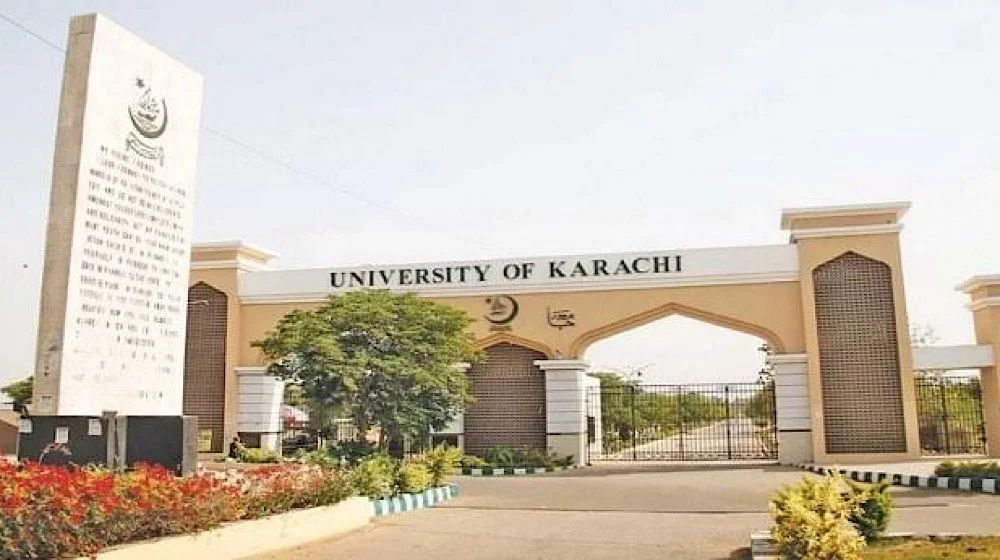
ISLAMABAD: The International Center for Chemical and Biological Sciences (ICCBS), University of Karachi, has officially announced an increase in monthly scholarships for its MPhil and PhD students.
Effective immediately, the PhD stipend has been raised from Rs. 50,000 to Rs. 70,000, while MPhil students will now receive Rs. 30,000 per month, up from Rs. 20,000.
This decision was finalized during a faculty meeting chaired by Prof. Dr. Muhammad Raza Shah, Director of ICCBS.
The meeting was held in the ICCBS Seminar Room and focused on promoting high-quality research through improved student incentives.
Student-Centered Policies and Research Incentives
Prof. Dr. Shah emphasized that ICCBS is one of the few academic institutions in
Pakistan that provides monthly financial support to all enrolled postgraduate students.
These enhanced scholarships aim to make higher education more accessible and encourage students to pursue advanced research without financial burden.
He added that the institute’s world-class research infrastructure, combined with these student-friendly policies, will foster academic excellence and innovation across various scientific disciplines.
Admissions Open for 2025 Academic Session
Admissions for the MPhil and PhD programs for the academic year 2025 are currently open.
Applicants can download the Admission Prospectus 2025 and fee voucher from the official websites:
A non-refundable fee of Rs. 8,000 must be paid via any Bank Alfalah branch.
Completed admission forms, academic transcripts, and proof of fee payment must be submitted to the ICCBS Academic Coordination Office between June 23 and July 07, 2025.
Selected students will be placed at either the H.E.J. Research Institute of Chemistry or the Dr. Panjwani Center for Molecular Medicine and Drug Research (PCMD).
Programs are available in multiple cutting-edge fields, including Pharmacology, Organic Chemistry, Molecular Medicine, Neuropharmacology, Stem Cell Research, and more.