ISLAMABAD: Swedish climate activist Greta Thunberg and 11 other campaigners detained aboard the Gaza-bound aid vessel Madleen are now in the process of deportation from Israel, according to official sources.
The Israeli Foreign Ministry confirmed that the activists were transported to Ben Gurion Airport in Tel Aviv after their vessel was intercepted in international waters and towed to Ashdod port.
“The passengers of the ‘Selfie Yacht’ arrived at Ben Gurion Airport to depart from Israel and return to their home countries,” the ministry posted on X.
BREAKING: Press statement by Gaza Freedom Flotilla:
“We have just received confirmation that all 12 volunteers from the ‘Madleen’ are currently at Ashdod Port. They are being processed and transferred into the custody of Israeli authorities. They are expected to be moved to the… pic.twitter.com/psXuv2iISW
— Freedom Flotilla Coalition (@GazaFFlotilla) June 10, 2025
Legal Threats for Refusing Deportation
Israeli authorities have stated that those who decline to sign deportation agreements will be brought before judicial authorities.
The Freedom Flotilla Coalition, the group operating the vessel, said all 12 activists are currently being processed by Israeli officials.

“They may be permitted to fly out of Tel Aviv as early as tonight,” the group announced on social media.
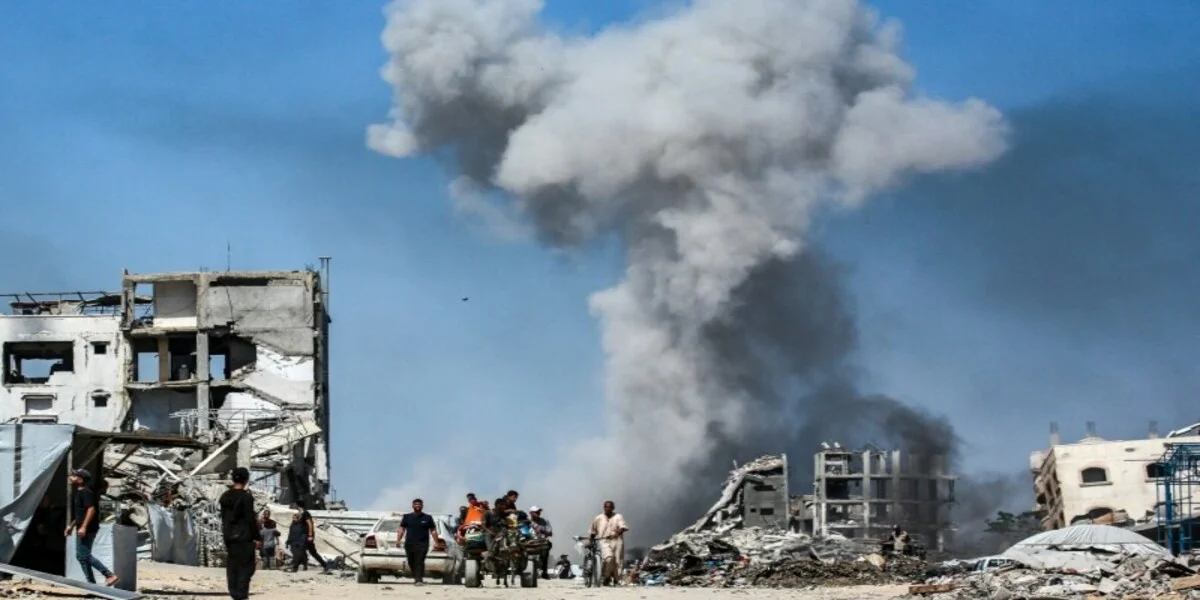
The Madleen was attempting to deliver humanitarian aid to the besieged Gaza Strip, drawing attention to the ongoing blockade and humanitarian crisis in the territory.
UN Highlights Urgent Aid Shortfall in Gaza
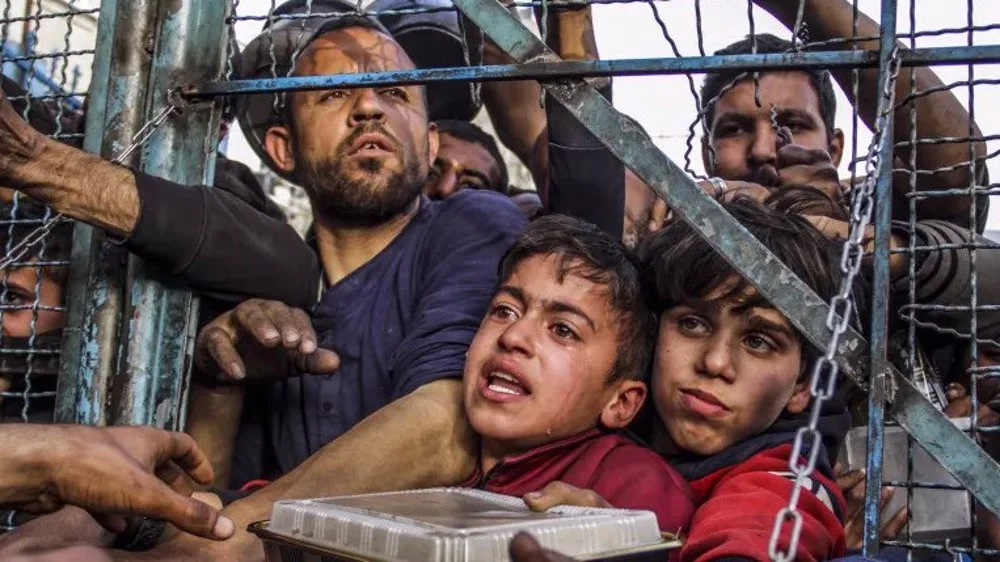
Meanwhile, the United Nations reported that most flour aid delivered to Gaza since Israel eased its blockade has been looted or seized by starving civilians.
Deputy UN spokesperson Farhan Haq said only 4,600 metric tonnes of wheat flour had entered Gaza via the limited Kerem Shalom crossing in the past three weeks.
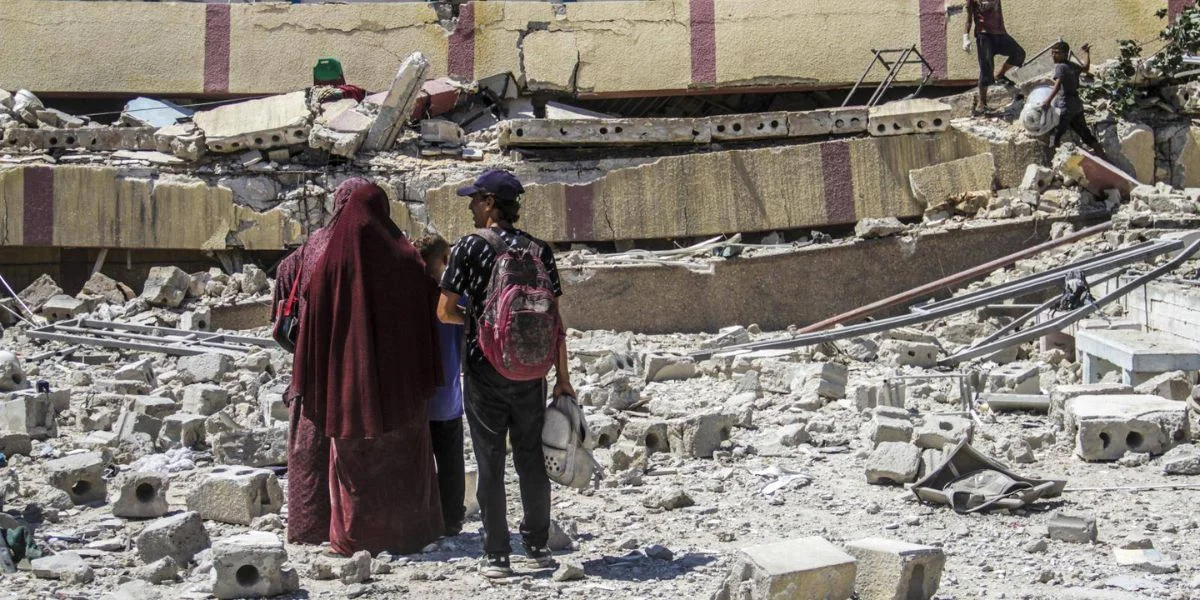
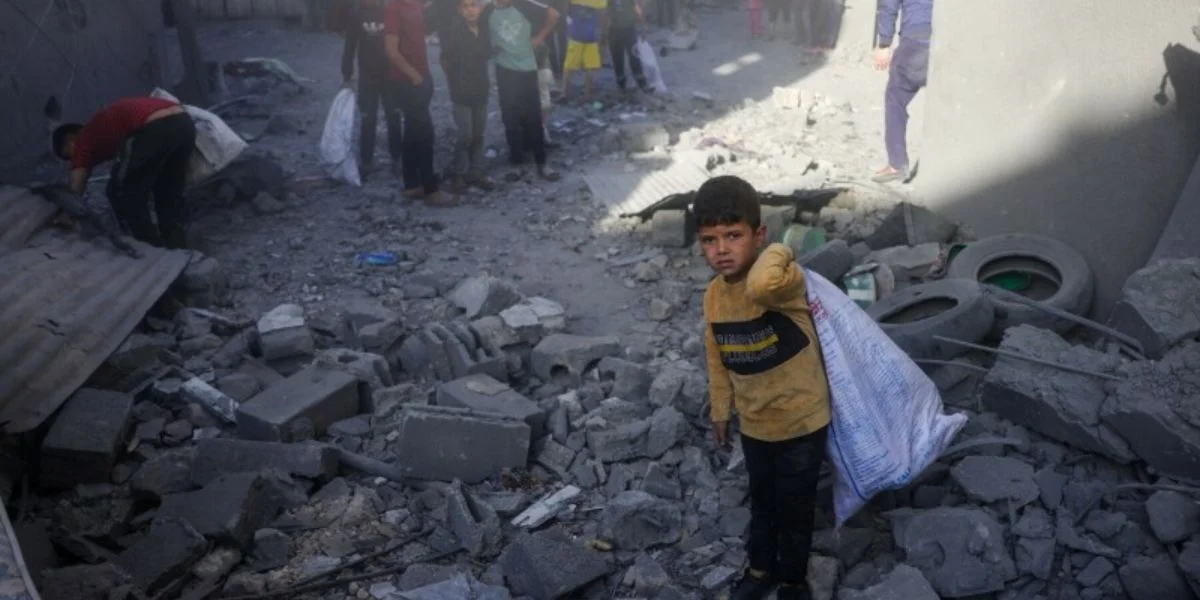
However, humanitarian groups estimate that between 8,000 and 10,000 tonnes are needed to distribute one bag of flour per family to stabilise local markets and prevent chaos.
“Most of it was taken by desperate, starving people before the supplies reached their destinations. In some cases, the supplies were looted by armed gangs,” Haq said.
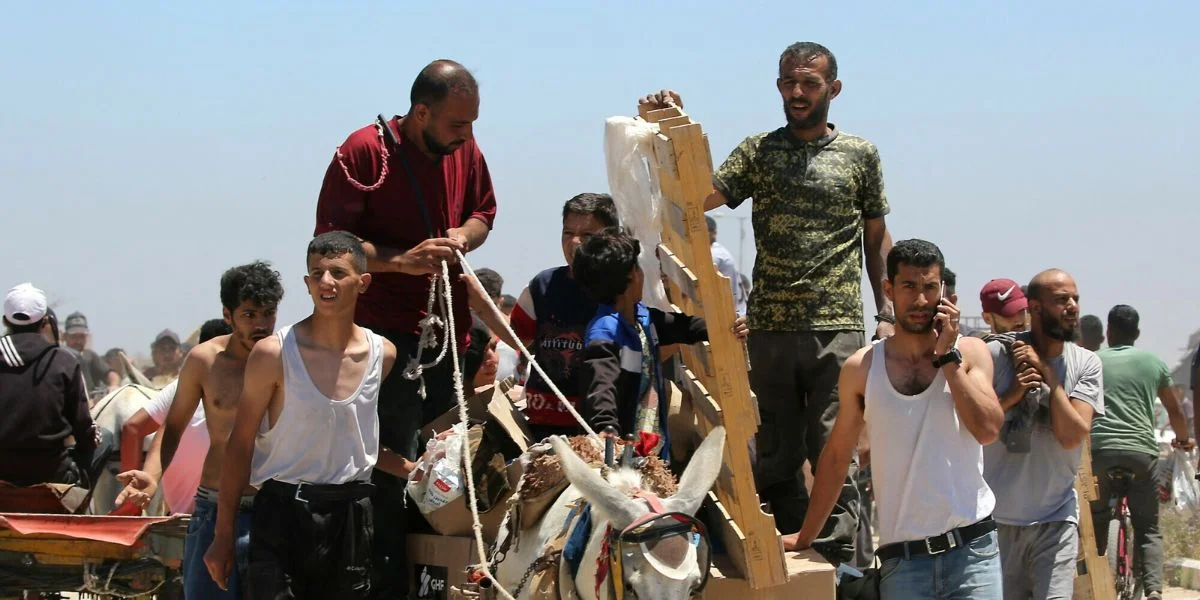
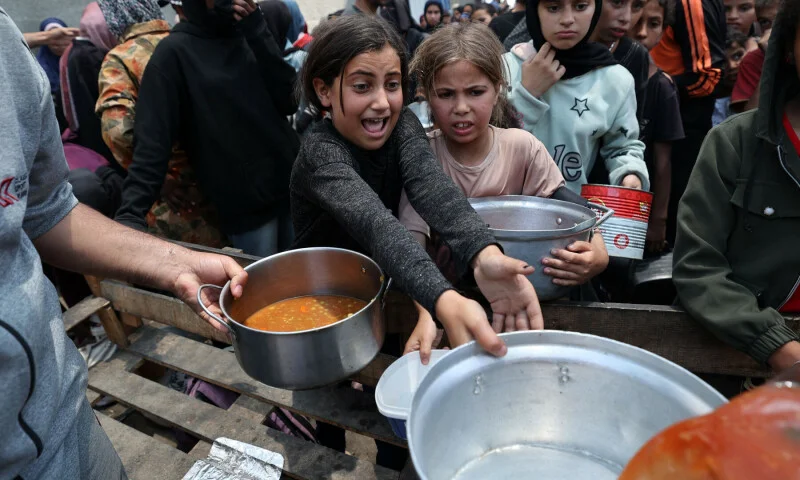

The UN has called on Israel to open additional routes to ensure aid can safely reach its intended recipients.
In parallel developments, former US President Donald Trump claimed that Iran is actively involved in negotiations for a Gaza ceasefire and hostage deal.
He revealed the information during a White House briefing but did not elaborate on Tehran’s specific role.
The U.S. has proposed a 60-day ceasefire between Israel and Hamas as part of the ongoing diplomatic efforts.