Greenland: France and Canada have solidified their diplomatic relationship with Greenland by inaugurating their respective embassies in the region. According to reports, France has become the first European Union member to establish a diplomatic presence in Greenland, demonstrating its support for Denmark as an ally.
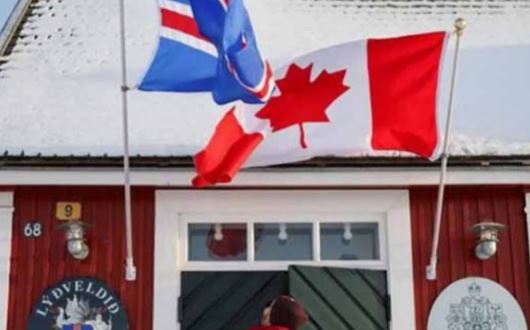
In addition, Canada has opened a consulate in Greenland, with the opening ceremony marked by the participation of Canada’s Foreign Minister and the Governor General, Mary.
At the inauguration, officials from both nations highlighted that this step would play a crucial role in deepening bilateral relations and enhancing trade, political, and cultural exchanges between the two regions.
The opening of these diplomatic missions is expected to elevate Greenland’s standing on the global stage, fostering new opportunities for collaboration in security, environmental issues, and economic growth. Government representatives emphasized that these actions are part of ongoing efforts to promote international cooperation and regional stability.
The decision by France and Canada to open missions in Greenland reflects the growing recognition of the region’s strategic and geographical significance, which is likely to lead to increased diplomatic and economic engagements in the area.