Tehran, June 17, 2025 — In a rare and dramatic escalation, Israeli airstrikes reportedly hit multiple sites in Tehran early Tuesday morning, killing at least three civilians and wounding four others, according to Iranian state media.
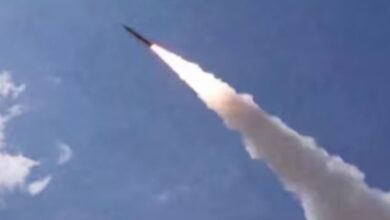
Explosions rocked the capital just after 2 a.m., with eyewitnesses reporting missile trails and heavy blasts across the skyline. Iran’s air defense systems intercepted several projectiles, but some reached critical infrastructure, sparking fires and damaging buildings.
General Ali Shadmani Reportedly Killed

Iranian outlet Noor News claimed that Major General Ali Shadmani, a top commander in the Islamic Revolutionary Guard Corps (IRGC), may have been killed in the strikes. While Iranian officials have not confirmed his death, Israeli media suggest the operation aimed to eliminate key military leadership perceived as threats to Israeli security.
Civilians Affected, Infrastructure Damaged
One missile reportedly hit a residential area in the city of Kashan, south of Tehran, causing panic among locals and extensive damage to homes. Emergency services are operating under full alert. Hospitals in central Iran have shifted to emergency response mode.
Global Reactions and Warnings of Wider Conflict
Iran’s military has vowed swift retaliation, raising fears of broader regional conflict. Hezbollah and other Iran-backed groups have reportedly been placed on high alert. The United Nations called for “maximum restraint,” warning that escalation could destabilize the entire Middle East.
With tensions rising rapidly, the international community is watching closely for Iran’s next move.