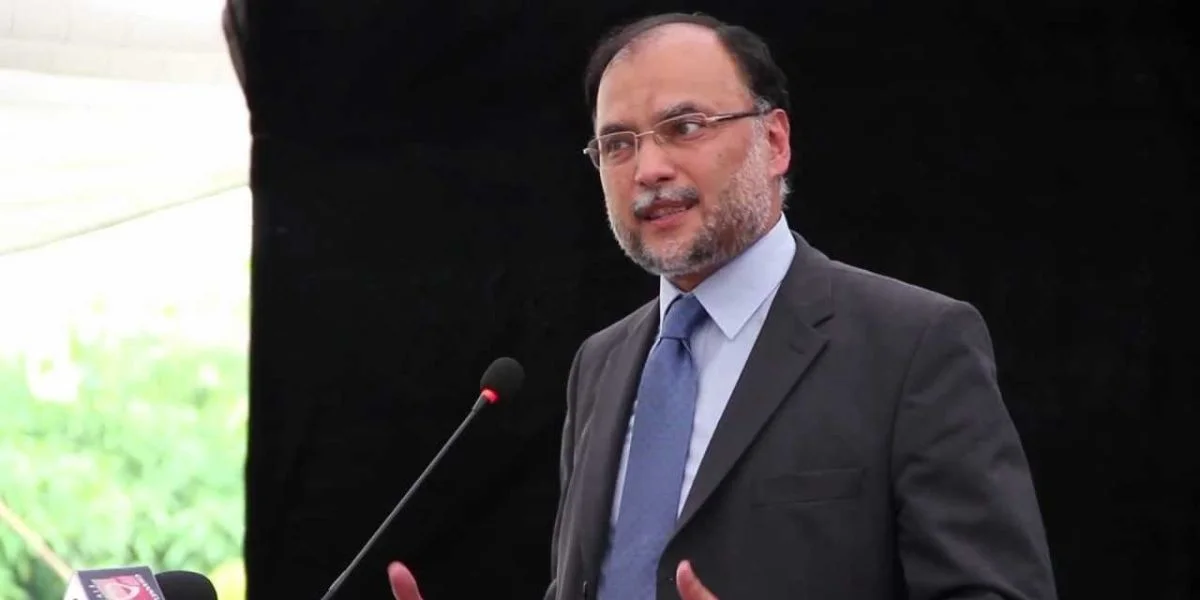
ISLAMABAD: Federal Minister for Planning, Development, and Special Initiatives, Ahsan Iqbal, announced on Monday that the government will focus on prioritising high-value projects in the upcoming fiscal year, as the total development budget has been limited to Rs880 billion for 2025-26.
This reduced allocation is part of austerity measures aligned with the International Monetary Fund (IMF) conditions, aiming to curb spending, increase revenue, and address Pakistan’s budget deficit and debt challenges.
Development Budget Breakdown and Priorities
Speaking after the Annual Plan Coordination Committee meeting, Ahsan Iqbal detailed that Rs664 billion of the budget will be allocated to key infrastructure sectors such as energy, water, transport, and planning. Special emphasis will be placed on upgrading the N-25 Highway in Balochistan to an expressway, with Rs120 billion earmarked for this project alone on Prime Minister Shehbaz Sharif’s orders.
The minister also highlighted allocations for special regions: Rs63 billion for Azad Jammu and Kashmir, Rs70 billion for merged districts in Khyber-Pakhtunkhwa, and Rs53 billion for science and information technology projects.
He stressed the importance of funding projects that have confirmed rupee and foreign funding, ensuring completion of those in advanced stages while avoiding token allocations that hamper project health.
Fiscal Discipline and Future Outlook
Ahsan Iqbal noted that since 2023, Pakistan has been enforcing strict financial discipline in consultation with the IMF, aiming for economic growth of 4.2 percent despite inflation and debt repayment pressures that consume a large portion of the budget.
The minister underscored the critical need for improved tax collection, describing tax reforms as a national security priority to support sustainable development.
He called on citizens to support government efforts against tax evasion and stressed that provincial projects will increasingly be devolved to respective governments, allowing the federal government to focus on nationally strategic initiatives.
Projects like the Diamer Basha Dam, Sukkur-Hyderabad motorway, and Karakoram Highway’s second phase will receive special attention. Additionally, boosting higher education remains a key objective, with plans to triple tertiary education enrollment to narrow Pakistan’s regional gap.
The minister concluded by emphasizing the government’s resolve to maintain transparency through satellite monitoring of projects and warned that many low-priority projects worth Rs1000 billion have been identified for possible freezing or termination to optimize resource use.