ISLAMABAD:
Tensions remain dangerously high on the 12th day of the Israel-Iran war, despite a ceasefire agreement brokered by US President Donald Trump.
Israel launched the war on June 13 by striking Iran’s nuclear facilities, prompting a fierce retaliation from Tehran.
Initial attacks claimed the lives of top Iranian generals, nuclear scientists, and civilians.
Iran reported 430 deaths, while human rights groups put the figure at 639.
In contrast, Israel has officially confirmed 25 casualties.
US forces also became directly involved, bombing three nuclear sites in Iran.
In response, Iran fired six missiles at US military bases in Iraq and Qatar, further intensifying the conflict.
Despite the ceasefire deal, the situation on the ground remains fragile.
Ceasefire Reached But Hostilities Persist
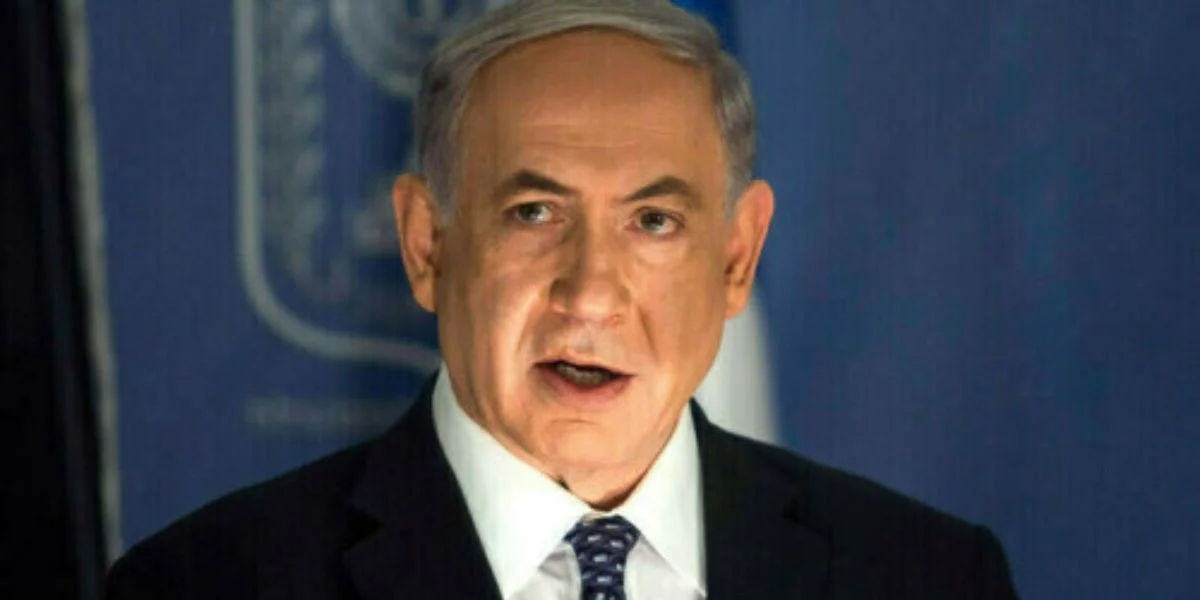
Israeli Prime Minister Benjamin Netanyahu confirmed that Israel has agreed to Trump’s ceasefire proposal.
He claimed Israel had met its military objectives, which included eliminating Iran’s nuclear and missile threats.
However, just hours after the announcement, Iran reportedly launched more missiles.
Israel’s defense minister ordered fresh strikes in retaliation, citing ceasefire violations.
Iranian officials say these attacks killed civilians, including in Tehran’s Evin prison.
Global Reactions and Ongoing Dangers
International reactions have been swift.
Saudi Arabia, the EU, and China welcomed the ceasefire and urged both nations to pursue diplomacy.
Meanwhile, Israeli politicians remain divided, with some criticizing the truce as premature.
The Israeli military has warned citizens to remain alert, stating the threat “still persists.”
Iranian media also reported ongoing missile launches and arrests of alleged Israeli spies.
The war’s unpredictability and high human cost suggest peace is still far from certain.