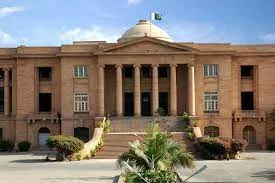
ISLAMABAD: The Sindh High Court (SHC) on Thursday suspended the disbursement of a compensation cheque and apology letter from the Institute of Business Administration (IBA) to a former female lecturer, pending the outcome of a legal petition filed by the university.
The case stems from a complaint made by Zahra Sabri in January 2023, alleging that the IBA registrar made inappropriate and unprofessional remarks.
Following an internal investigation, IBA’s anti-harassment committee recommended paying Sabri Rs300,000 in compensation and issuing a formal apology.
However, the university’s executive director declined to act on the recommendation, prompting Sabri to appeal to the provincial ombudsman for harassment cases.
SHC Issues Notice, Stays Compensation
On June 13, the ombudsman ordered IBA to implement the recommendations within a week and appoint a new competent authority.
IBA complied by nominating retired Supreme Court judge Justice Arif Khilji as the new competent authority and prepared the payment and apology.
Appearing before a two-judge SHC bench headed by Justice Mohammad Iqbal Kalhoro, senior counsel Faisal Siddiqui argued that while IBA was ready to implement the recommendations, the case raised questions about interpreting sections of the Protection Against Harassment of Women at Workplace Act, 2021.
He urged the court to stay any disbursement until the legal ambiguity was resolved.
The court agreed and issued notices to the respondents, including Zahra Sabri and the Advocate General Sindh, for a hearing on August 21.
Until then, the court directed that neither the cheque nor the apology letter be handed over.
Petition Challenges Ombudsman’s Jurisdiction
The petitioners argued that the ombudsman’s decision was flawed.
They claimed the executive director—who had testified during the inquiry—was wrongly declared ineligible to serve as the competent authority.
They further argued the ombudsman had not evaluated the merits of the original decision or the legality of the committee’s recommendations.
Additionally, IBA contended the committee overstepped its mandate by including gender discrimination findings in a complaint that originally focused on inappropriate remarks.