ISLAMABAD: Federal Minister for Health Mustafa Kamal has reiterated the government’s strong commitment to accelerating polio eradication initiatives, aiming to make Pakistan polio-free in the near future.
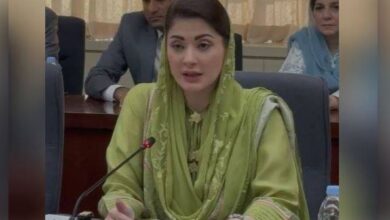
This declaration came during a high-level review meeting on the polio eradication campaign, attended by key stakeholders, including representatives from WHO, UNICEF, provincial health authorities, and the Prime Minister’s Focal Person for Polio Eradication, Ms. Ayesha Raza Farooq.
Review of Nationwide Vaccination Drive
During the meeting, officials presented a comprehensive review of the recent nationwide polio vaccination campaign.
The drive successfully administered polio vaccine drops to over 45 million children across the country. National and provincial coordinators shared detailed updates, highlighting progress made and challenges faced in the ongoing battle against polio.
Mustafa Kamal stressed the importance of collective responsibility in safeguarding children’s health and urged parents to cooperate fully with polio workers to ensure immunization coverage is comprehensive and effective.
Call for Policy Shift and Unity
The minister emphasized that unlike many diseases that can be treated, polio remains incurable, making vaccination campaigns critical to eradicating the virus. He called for a strategic policy shift to boost the campaign’s impact and emphasized the necessity of unity and active participation from all segments of society.
Highlighting that only Pakistan and Afghanistan still face the polio threat, Kamal expressed optimism about achieving polio-free status simultaneously with Afghanistan, given the strong cooperation between the two countries.
The government’s renewed focus and enhanced efforts signal hope for a healthier future for millions of children and underscore Pakistan’s commitment to eliminating polio once and for all.