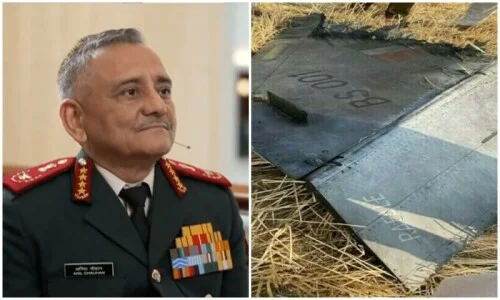
ISLAMABAD: A recent admission by India’s Chief of Defence Staff General Anil Chauhan, acknowledging that Indian fighter jets were shot down by the Pakistan Air Force during the May 6-7 aerial battle, is drawing intense scrutiny and being interpreted by analysts as a thinly veiled critique of Prime Minister Narendra Modi’s aggressive military posturing toward Pakistan.
The admission, made during an interview with Bloomberg at the Shangri-La Dialogue in Singapore, marks the first time a senior Indian military figure has openly confirmed losses in the latest standoff with Pakistan.
The air battle, triggered by Indian airstrikes following accusations against Pakistan for an attack in Pahalgam, saw Pakistan respond swiftly and decisively.
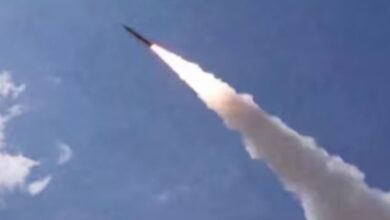
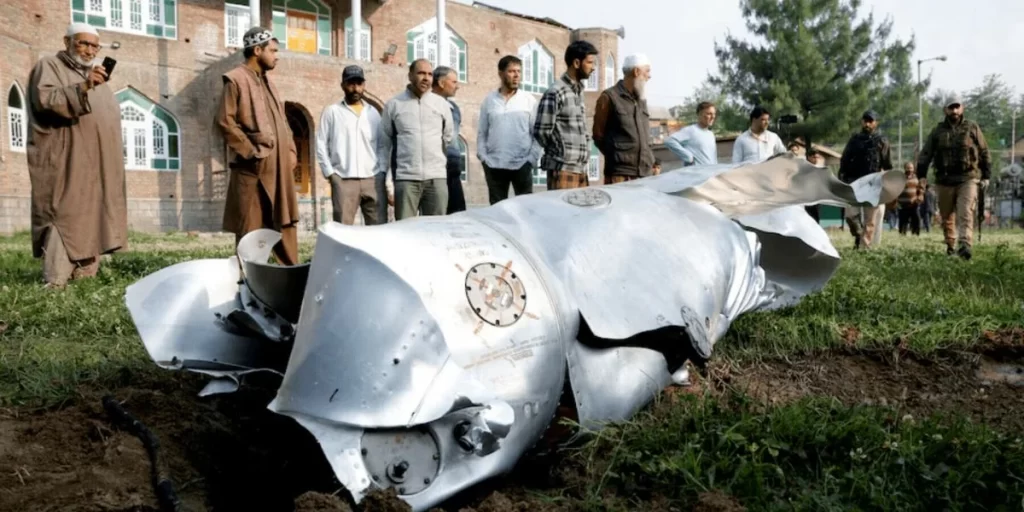
Within 40 minutes, the Pakistan Air Force shot down six Indian aircraft — including three Rafale jets, a MiG-29, a Su-30MKI, and a Mirage 2000 — without any of its own planes crossing the border.
The Indian strikes had targeted civilian areas, including mosques and villages, drawing international condemnation and prompting Pakistan’s calibrated yet firm response.
Military Analysis and Political Undertones
Security expert Ejaz Haider stated that Chauhan’s remarks could reflect discomfort within India’s military establishment regarding Modi’s use of the “Pakistan card” for political mileage.
“Chauhan, as a professional, knows India holds no air superiority over Pakistan,” Haider noted.
His use of the plural form when referring to fighter losses and the acknowledgment of tactical mistakes hint at a broader internal disagreement over Modi’s escalatory strategy.
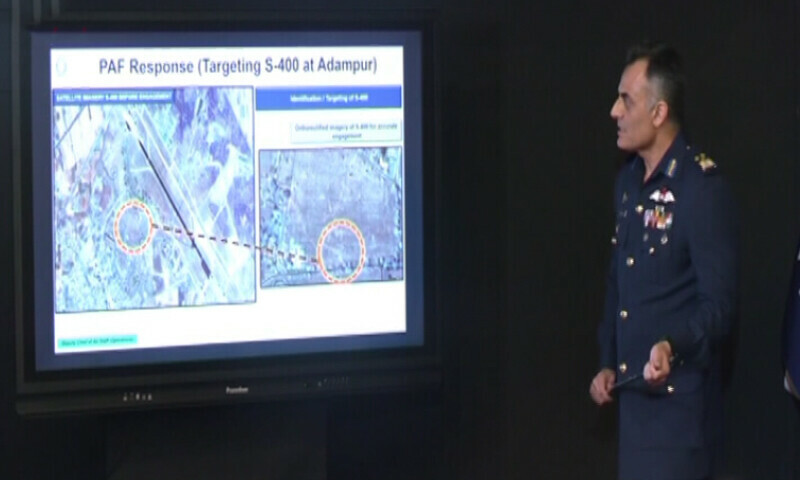
Haider further explained that India’s inability to provide air cover for two days allowed Pakistan to target and disable India’s S-400 radar system — a key component of its $5 billion Russian air defense purchase.
The silence of Indian jets during this period is now confirmed by Chauhan himself, raising questions over command decisions at the highest level.
Western Validation and Diplomatic Ramifications
Pakistan’s version of events has been corroborated by independent sources. CNN cited US and French officials confirming that a Rafale was shot down by Pakistani jets.
The Washington Post also analyzed visual evidence verifying wreckage from at least two downed Indian jets.
In addition, Pakistan intercepted Indian drones and conducted retaliatory strikes in a tightly controlled response. Former Foreign Minister Bilawal Bhutto Zardari remarked that Pakistan could have shot down up to 20 Indian jets but demonstrated restraint by only targeting those involved in bombing civilian areas.
The conflict concluded after US-brokered diplomacy brought both sides to a ceasefire on May 10, following tit-for-tat aerial strikes.
The standoff has not only exposed vulnerabilities in India’s air defense but also underlined the high risks of Modi’s confrontational policies. The Indian military’s rare candor, as seen in Gen. Chauhan’s statements, may be an early indication of internal dissent against dangerous political adventurism.