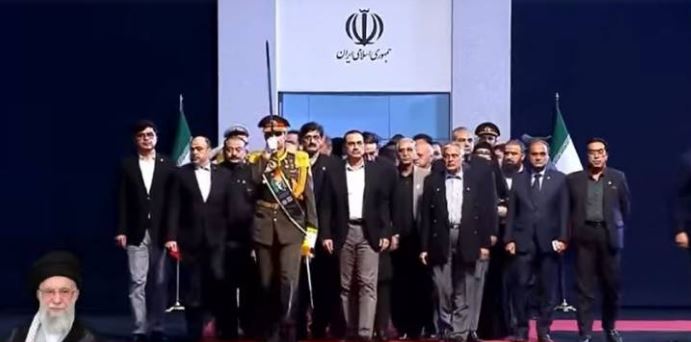
Tehran: Prime Minister Shehbaz Sharif, accompanied by a high-level Pakistani delegation, arrived at the Grand Imam Khomeini Mosalla in Tehran to attend a condolence ceremony.
During the event, Prime Minister Shehbaz Sharif and Field Marshal Syed Asim Munir offered Fateha and prayed for the elevation of the ranks of the late Ayatollah Ali Khamenei. They also paid tribute to the deceased leader.
On the sidelines of the ceremony, the prime minister and the army chief met Iranian President Masoud Pezeshkian, Parliament Speaker Mohammad Bagher Ghalibaf, and Foreign Minister Abbas Araghchi to convey their condolences.
The Pakistani delegation expressed solidarity with the Iranian leadership and people, offering prayers for the departed leader.
The delegation also included National Assembly Speaker Ayaz Sadiq, Deputy Prime Minister and Foreign Minister Ishaq Dar, Information Minister Attaullah Tarar, Pakistan Peoples Party Chairman Bilawal Bhutto Zardari, Nayar Bukhari, and Sindh Chief Minister Murad Ali Shah.